

Welcome to your ultimate Iceland Travel Guide: Waterfalls, Glaciers, and the Northern Lights, your comprehensive companion to discovering the magic of this Nordic island. Whether you’re an avid adventurer, a nature lover, or someone seeking serene landscapes and awe-inspiring phenomena, Iceland offers an unparalleled array of natural wonders. This guide will walk you through everything you need to know—from iconic waterfalls and majestic glaciers to the elusive Northern Lights—ensuring your journey is memorable, sustainable, and deeply enriching.
Different from typical travel itineraries, this guide emphasizes immersive experiences and personal insights, helping you connect authentically with Iceland’s wild beauty. Prepare to be inspired and informed as we dive into what makes Iceland a truly extraordinary travel destination.
Unveiling Iceland: A Comprehensive Travel Guide
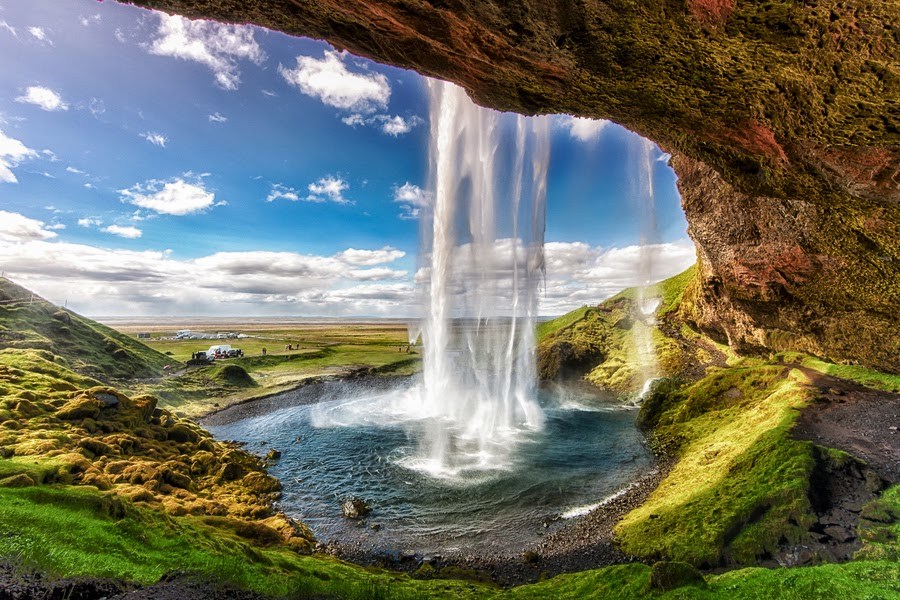
Iceland, often called the Land of Fire and Ice, is a country of contrasts and dramatic landscapes that beckon explorers from across the globe. Its unique geographical makeup combines volcanic activity, massive glaciers, geothermal springs, and rugged coastlines, creating a landscape that feels almost otherworldly. Traveling through Iceland is like stepping into a natural wonderland, where every turn reveals something new—be it steaming geysers or black sand beaches.
This Iceland Travel Guide: Waterfalls, Glaciers, and the Northern Lights aims to equip you with practical knowledge, cultural nuance, and heartfelt recommendations. Exploring bit by bit, it reveals Iceland’s hidden depths from the majestic waterfalls of the south to the glacial realms in the north, complemented by the mesmerizing dance of the Aurora Borealis. Embrace the adventure as we uncover tips for travel logistics, cultural etiquette, eco-friendly practices, and unique sights that make Iceland a bucket-list destination for many.
Chasing Waterfalls: Iceland’s Most Breathtaking Cascades

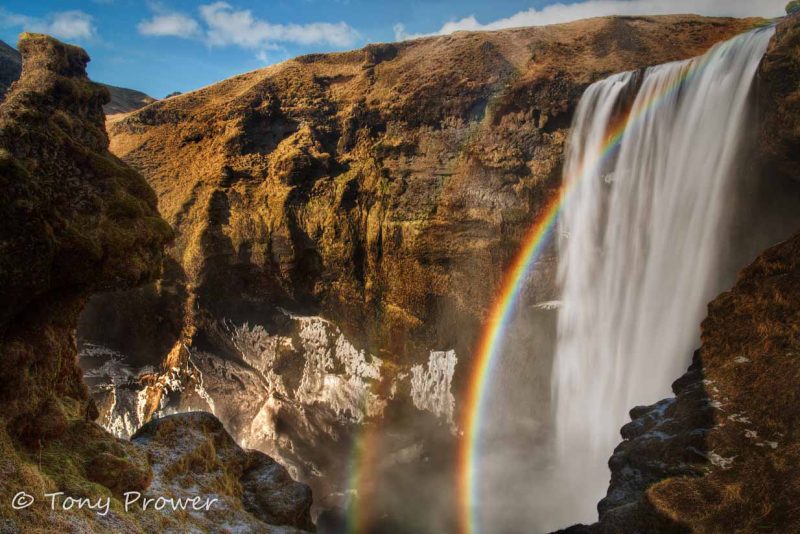
Step into a world where waterfalls are not merely natural features but vibrant threads in Iceland’s stunning tapestry. The country’s abundant rainfall combined with volcanic activity has gifted it with numerous waterfalls, many of which are celebrated globally for their majestic beauty. Visiting waterfalls like Seljalandsfoss or Skógafoss feels almost surreal—as if nature itself crafted these spectacular displays just for visitors eager to witness their power.
Beyond the popular icons, Iceland hosts lesser-known waterfalls tucked away in remote valleys, awaiting discovery by intrepid travelers. These hidden gems often provide more intimate encounters and pristine surroundings, perfect for photography, reflection, or simply soaking in the atmosphere. Each waterfall has its own personality—some cascade over cliffs creating thunderous roars, others gently tumble into serene pools. Engaging with these water features offers not only visual delight but an intimate connection to Iceland’s raw, elemental energy.
Glacial Grandeur: Exploring Iceland’s Majestic Ice Caps

Iceland’s glaciers are awe-inspiring remnants of the last Ice Age, and exploring them offers insights into Earth’s climatic history and the future of global climate change. Masses like Vatnajökull, Europe’s largest ice cap, dominate the landscape with their sprawling, icy blankets, creating surreal landscapes of ice caves, crevasses, and glacial lakes. Visiting these glaciers feels like stepping into a frozen cathedral—immense, silent, and strangely alive.
Guided glacier hikes and ice cave explorations are among the most unforgettable experiences in Iceland. These icy excursions enable you to witness the artistry of nature—glacial formations, blue-tinged ice walls, and shimmering melts that reflect the sunlight. Doing so responsibly, with expert guides, ensures safety and preservation of these fragile environments, embracing Iceland’s commitment to sustainable tourism. Such adventures deepen your appreciation for the planet’s delicate balance and Iceland’s vital role as a steward of icy wilderness.
The Aurora Borealis: Witnessing the Magic of the Northern Lights in Iceland
Few natural phenomena rival the Northern Lights for their enchanting visual display, and Iceland is arguably among the best places in the world to witness this celestial ballet. The aurora borealis appears mainly between September and April, with peak displays during the darker, colder months. Watching these shimmering, dancing ribbons of green, pink, and purple in the night sky evokes feelings of wonder and connectedness beyond words.
To maximize your chances of seeing the Northern Lights, it’s important to plan around clear, dark skies far from city light pollution. Many tour operators offer specialized trips with expert guides who track solar activity and forecast aurora displays. Remember, patience and a bit of luck are essential—sometimes the lights will appear in a matter of minutes, and other times you’ll wait hours. The experience is profoundly spiritual and breathtaking, making it a highlight of any Iceland adventure. Patience, proper clothing, and a sense of awe are your best companions on this magical pursuit.
Planning Your Iceland Adventure: Essential Travel Tips
To ensure a smooth journey through Iceland’s wild terrains and spectacular sights, thoughtful planning is crucial. Renting a reliable vehicle, preferably a 4×4, provides flexibility and access to more remote areas, especially during winter when roads can be challenging. Renting early and understanding Iceland’s road rules will help avoid unnecessary hassles during your trip.
Moreover, packing appropriately for Iceland’s diverse weather conditions ensures comfort and safety. Layered clothing, waterproof gear, sturdy hiking boots, and thermal wear are must-haves in the unpredictable climate. Booking accommodations and tours well in advance is advisable, especially during peak seasons, to confirm availability and secure the best options. A flexible itinerary, combined with local advice and respect for Iceland’s delicate environment, makes for an enriching and responsible travel experience.
Icelandic Itinerary: A Customizable Guide for Waterfalls, Glaciers, and the Northern Lights
Crafting your Iceland itinerary depends heavily on your interests, travel season, and timeframe. A typical route might include the stunning Golden Circle, encompassing Þingvellir National Park, Geysir Hot Springs, and Gullfoss waterfall. From there, heading south offers iconic waterfalls like Seljalandsfoss and Skógafoss, along with black sand beaches. Eastward, Vatnajökull National Park beckons with glaciers and ice caves, ideal for those seeking icy adventures.
For those visiting in winter, combining northern regions with a focus on Northern Lights viewing creates an unforgettable experience. The less-traveled Westfjords and the north are rich with secluded waterfalls, quiet glaciers, and breathtaking fjords. Remember, flexibility is key—allowing room for spontaneous discoveries, weather variations, and personal interests. With such a versatile landscape, your Icelandic journey becomes a deeply personal story of exploration and awe.
Accommodation in Iceland: From Cozy Guesthouses to Luxurious Hotels
Whether you seek cozy, budget-friendly guesthouses or luxurious boutique hotels, Iceland’s hospitality scene caters to all tastes and budgets. Many accommodations are strategically located near major attractions, making it easier to catch sunrise waterfalls or spot the Northern Lights. Small family-run guesthouses offer intimate atmospheres and often include homemade Icelandic meals, providing a taste of local culture.
Luxury options, such as boutique hotels with geothermal spas or glass-roofed suites, elevate the experience, allowing you to enjoy Iceland’s natural beauty from the comfort of your room. For eco-conscious travelers, numerous lodges prioritize sustainability, using renewable energy and environmentally friendly practices. Choosing the right accommodation enhances your connection to Iceland’s landscape and culture, transforming your trip from merely sightseeing to an immersive, heartfelt journey.
Icelandic Cuisine: A Culinary Journey Through Local Flavors
Sampling Icelandic cuisine is about more than just taste; it’s about understanding the country’s history, environment, and resilience. Traditional dishes often feature fresh seafood, lamb, and hardy root vegetables, reflecting Iceland’s resourcefulness in a challenging climate. Dishes like fermented shark (hákarl), smoked lamb, and skyr (a dairy product similar to yogurt) tell local stories and culinary traditions rooted in centuries of adaptation.
Modern Icelandic cuisine also embraces innovation, combining local ingredients with global influences to create memorable dining experiences. Visiting farm-to-table restaurants, food festivals, or roadside stands offers insight into Icelandic gastronomic culture. These flavors, paired with stunning scenery and hospitable hosts, deepen your travel experience—reminding you that Iceland’s wild beauty extends into its culinary landscape, enriching every moment of your trip.
Sustainable Tourism in Iceland: Respecting Nature’s Wonders
Iceland’s fragile ecosystems and pristine landscapes demand a commitment to sustainable tourism. Visitors are encouraged to adhere to marked trails, avoid disturbing wildlife, and dispose of waste responsibly. Many tour operators prioritize eco-friendly practices—using renewable energy, minimizing plastic waste, and supporting local communities—which helps preserve Iceland’s natural beauty for future generations.
Engaging with local conservation initiatives or participating in eco-tours emphasizes respectful exploration and environmental mindfulness. Iceland’s wilderness is a treasure, and its protection is a collective responsibility. By making conscious choices, travelers can enjoy ICeland’s dramatic scenery while ensuring that the land, water, and wildlife remain pristine and vital for generations to come.
Beyond the Big Three: Discovering Iceland’s Hidden Gems
While waterfalls, glaciers, and the Northern Lights comprise the core of many Iceland itineraries, the country’s lesser-known sights are equally captivating. Hidden fjords, volcanic landscapes, geothermal areas, and quaint seaside villages offer quiet escapes and unique insights into local culture. Places like the Westfjords, the Snæfellsnes Peninsula, and the Eastfjords host untouched beauty and fewer crowds, providing a more intimate experience.
Exploring these hidden gems encourages a deeper connection with Iceland’s diverse environments. Whether hiking through lesser-explored trails, soaking in secluded hot springs, or discovering quaint Icelandic towns, venturing off the beaten path enriches your understanding and appreciation of this extraordinary landscape. These discoveries ensure your Iceland Travel Guide: Waterfalls, Glaciers, and the Northern Lights becomes a personal story filled with surprises and authentic encounters.
Conclusion
A journey through Iceland, guided by this comprehensive Iceland Travel Guide: Waterfalls, Glaciers, and the Northern Lights, reveals a land of unmatched natural beauty, cultural richness, and adventure. From the thunderous cascades of waterfalls to the silent grandeur of glaciers and the ethereal dance of the Aurora Borealis, Iceland offers endless moments of awe and inspiration. Thoughtful planning, sustainable practices, and a spirit of curiosity will help you unlock its full magic—creating memories that last a lifetime. Embrace the wild, the serene, and the extraordinary that define Iceland and make your visit truly unforgettable.


Leave a Reply