

Kyoto, a city nestled in the heart of Japan’s Kansai region, is renowned worldwide for its temples, rich traditions, and enduring culture. As the former imperial capital, it boasts a history stretching over a thousand years—a treasure trove of heritage that continues to influence Japan today. Visitors to Kyoto find themselves immersed in a world where ancient practices coexist harmoniously with modern life, offering an authentic experience that echoes through every alley, temple, and tea house.
In this exploration of Kyoto, Japan: Temples, Traditions, and Timeless Culture, we delve into its spiritual sanctuaries, traditional arts, vibrant geisha districts, and natural beauty. From the tranquil grounds of its iconic temples to the bustling streets where age-old customs are still alive, Kyoto stands as a living testament to Japan’s cultural resilience and artistic excellence. Whether you’re a history enthusiast, a spiritual seeker, or a lover of food and art, Kyoto promises a profound journey through Japan’s soul.
Exploring Kyoto: A Journey Through Japan’s Cultural Heart
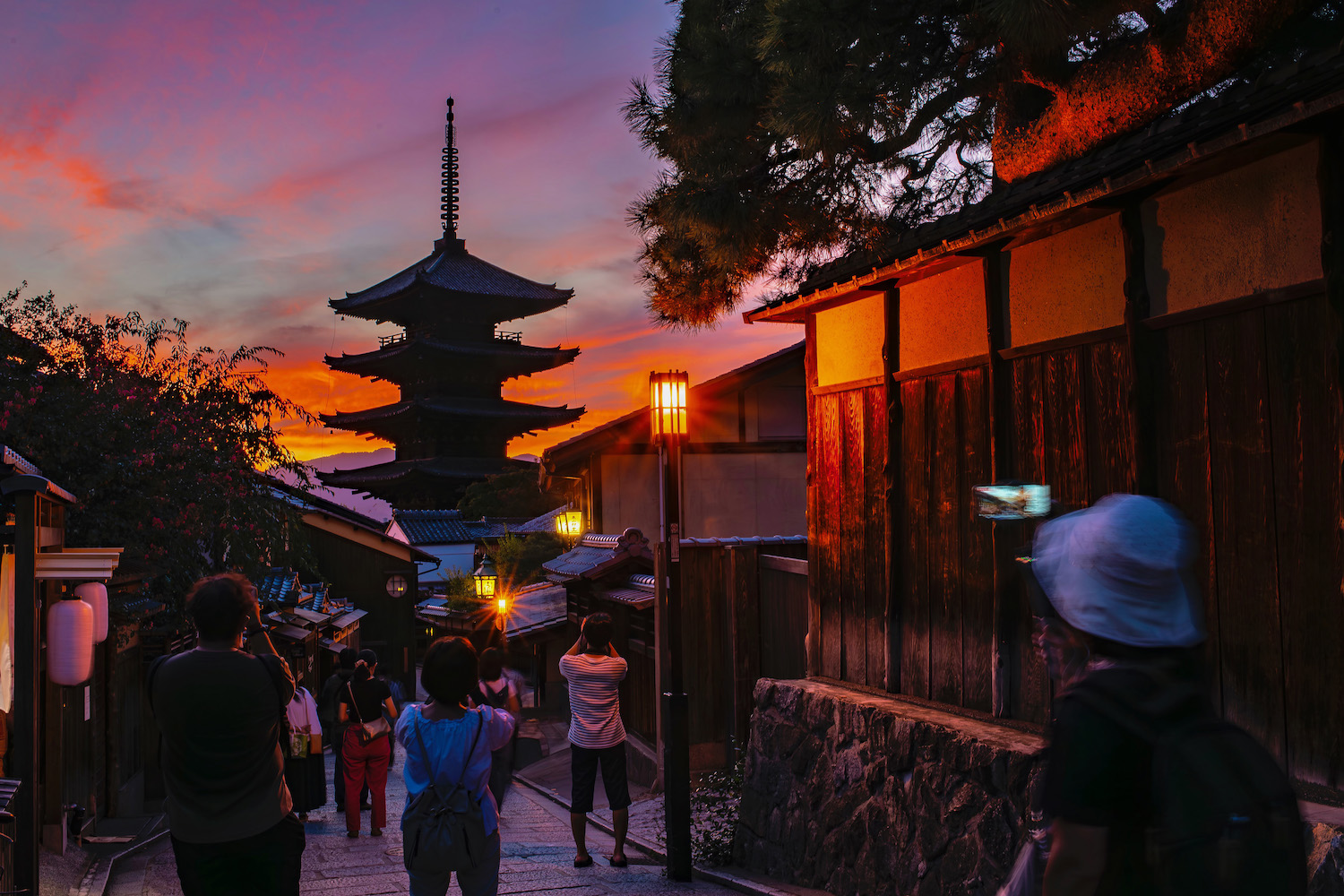
Stepping into Kyoto is like entering a living museum where every corner reveals facets of Japan’s profound history. As the cultural heartland of Japan, it’s a city that has preserved its identity against the tides of modernization. Walking through its historic districts, you’re struck by the seamless blend of the old and the new—traditional wooden machiya houses living alongside contemporary cafes and boutiques, all grounded in a shared respect for history.
The city’s atmosphere is unparalleled; it’s one of those rare places where one can feel the pulse of ancient Japan infused with modern vitality. The experience of exploring Kyoto is as much about wandering through serene shrine gardens and lively markets as it is about engaging with the stories behind each site—stories of samurai, poets, artisans, and monks. This sense of continuity makes Kyoto not just a city but a vivid tapestry of temples, festivals, and traditions that endure through generations.
Kyoto’s Majestic Temples: A Guide to Spiritual Sanctuaries

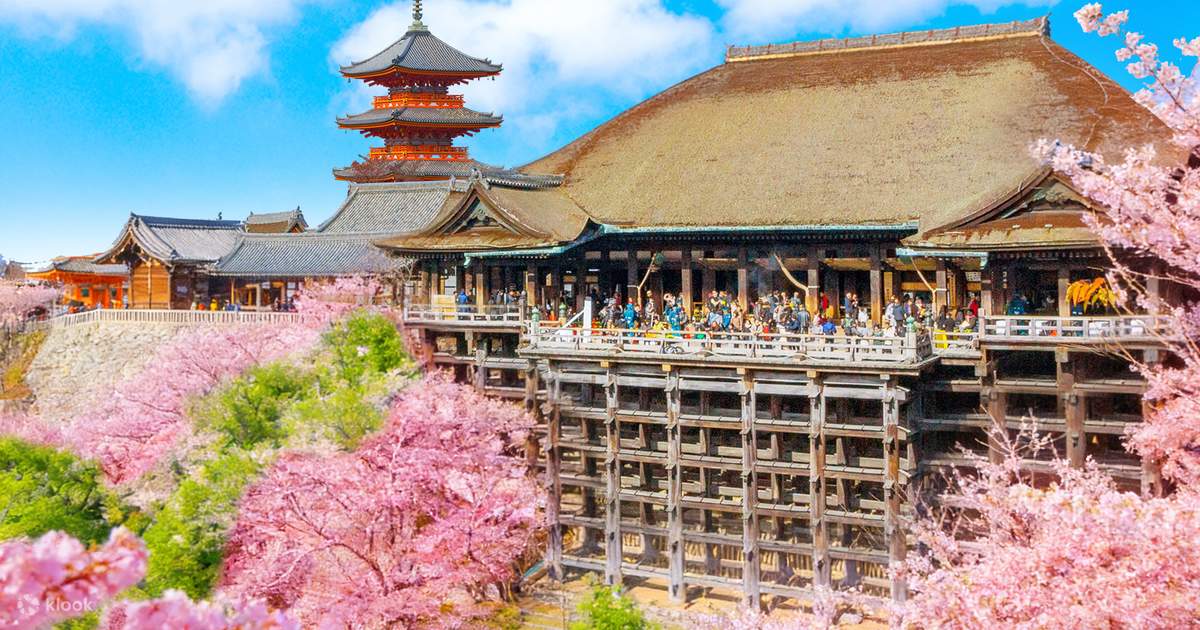
Kyoto is undoubtedly the spiritual center of Japan for many international travelers, thanks largely to its breathtaking array of temples. Kinkaku-ji, the Golden Pavilion, is perhaps the most iconic, with its shimmering gold leaf exterior reflecting serenely in the pond below—a symbol of prosperity and Zen artistry. Yet, beyond this famous site, Kyoto is home to countless sacred spaces—each with its unique story and architectural beauty.
Visiting these temples offers more than aesthetic pleasure; it provides a window into Japanese spirituality and philosophical traditions. Ryoan-ji’s famed rock garden embodies Zen principles of simplicity and meditation, guiding visitors into a contemplative state. Fushimi Inari Taisha, with its thousands of torii gates winding up the mountain, exemplifies devotion and community spirit. Exploring these spiritual sanctuaries invites reflection on impermanence, mindfulness, and the city’s deep-rooted connection to nature and faith.
Preserving Tradition: The Enduring Arts and Crafts of Kyoto
-KlookSingapore.jpg)
Kyoto’s traditions are intricately woven into the city’s identity, expressed through its vibrant arts and crafts that have thrived for centuries. From delicate ceramics and traditional textiles to intricate calligraphy and hand-painted screens, these crafts serve as tangible links to the city’s cultural lineage. Artisans in Kyoto are dedicated to preserving techniques passed down through generations, ensuring that their craftsmanship remains vital in a rapidly changing world.
This commitment extends beyond mere preservation; it’s about continual innovation rooted in tradition. For example, Kyoto style kyo-yuzen dyeing elevates fabric painting to an art form, highlighting vivid patterns and symbolic motifs. Visiting local workshops or participating in craft workshops deepens understanding of the meticulous effort involved and the cultural symbolism embedded within each piece. In a city where temples, traditions, and craftsmanship are inseparable, Kyoto’s arts serve as both cultural heritage and living expression of its unyielding spirit.
Timeless Culture: Unveiling Kyoto’s Geisha District and Tea Ceremonies

The timeless allure of Kyoto lies heavily in its geisha districts, such as Gion, where tradition remains vividly alive. These women, dressed in exquisite kimono and engaging in centuries-old arts like dance, music, and conversation, embody a cultural ideal of refined artistry and social grace. To witness a geisha performance or to stroll through the lantern-lit streets feels like stepping back in time—a living window into Japan’s age-old entertainment and social customs.
Another cornerstone of Kyoto’s timeless culture is the tea ceremony, an art form that emphasizes harmony, respect, purity, and tranquility. Participating in or observing a tea ceremony reveals the spiritual mindfulness underlying Japanese culture. The slow, deliberate movements, the carefully prepared tea, and the surrounding serene environment encourage introspection and appreciation for simplicity. Together, these practices reinforce Kyoto’s role as a custodian of traditions that promote mindfulness, artistry, and social harmony—values that continue to resonate in contemporary life.
Beyond the Temples: Discovering Kyoto’s Hidden Gems
While Kyoto’s temples and historic sites draw much attention, the city’s hidden nooks and lesser-known districts hold equally compelling stories. The philosopher’s path—a tranquil walkway lined with cherry trees—leads visitors through quiet neighborhoods where time seems to slow. Small temples, local breweries, and artisan shops dot these peaceful areas, offering authentic glimpses into everyday Kyoto life, away from the tourist crowds.
Exploring Kyoto’s lesser-known spots often results in delightful surprises: a traditional woodcraft atelier, a secluded shrine, or a family-run restaurant serving home-style Kyoto cuisine. These hidden gems connect visitors more intimately with the city’s traditions and culture, unwrapping layers of history that are often overshadowed by more famous sites. In understanding Kyoto, it’s essential to venture beyond the main attractions to appreciate its complexity and enduring charm.
A Taste of Kyoto: Savoring the City’s Culinary Delights
Kyoto’s cuisine is rooted in seasonal ingredients, delicate flavors, and meticulous presentation—reflecting its traditions and aesthetic values. Kaiseki, the haute cuisine of Japan, originated in Kyoto, offering multi-course meals that emphasize harmony, visual appeal, and local flavors. Authentic kaiseki dinners are a feast not only for the palate but also for the eyes, showcasing artful arrangements and a respect for nature’s bounty.
Food in Kyoto also embodies the city’s culture of mindfulness and appreciation for tradition. Dashi, matcha, yudofu (tofu hot pot), and yatsuhashi (cinnamon-flavored sweets) are just a few culinary staples steeped in local history. Visiting markets like Nishiki, called “Kyoto’s kitchen,” allows travelers to sample and learn about regional specialties firsthand. These culinary experiences link Kyoto’s temples, traditions, and daily life, offering a delicious, soulful journey through its historical heart.
The Four Seasons in Kyoto: A Year-Round Guide to Natural Beauty
Each season in Kyoto unveils different facets of its natural beauty, from cherry blossoms in spring to vibrant foliage in autumn. Spring’s sakura season transforms the city into a pink paradise, where picnicking beneath blooming cherry trees at Maruyama Park is a cherished ritual. Summer offers lush green hills and hydrangea-lined temples, while fall’s crimson leaves create a dramatic backdrop for temple gardens and walking trails.
Winter brings a quiet charm, with snow-capped temples and serene landscapes perfect for reflective strolls. The seasonal shifts in Kyoto affect traditions, festivals, and daily life—each season inspiring new ways to experience its ancient culture. The importance of nature and harmony in Kyoto’s temples and traditions underscores the city’s philosophy, making it a destination that offers natural beauty in every season and a continuous connection to the rhythm of life.
Modern Kyoto: Balancing Tradition with Contemporary Life
While Kyoto is renowned for its traditions and historical temples, it also embraces modernity, creating a dynamic city that respects its roots while innovating for the future. Contemporary art galleries, trendy cafes, and innovative tech startups coexist alongside centuries-old shrines and traditional tea houses. This balance manifests in the city’s architecture, fashion, and cultural events, which often blend traditional motifs with modern aesthetics.
This harmonious coexistence of old and new signifies Kyoto’s adaptability and progressive spirit. The challenge lies in maintaining traditions amidst rapid urbanization, but Kyoto’s community and policymakers actively prioritize cultural preservation through initiatives and festivals, ensuring that future generations can continue to enjoy its temples, arts, and traditions. This synergy makes Kyoto not only a guardian of culture but also a vibrant city that evolves while staying true to its historical significance.
Navigating Kyoto: Essential Tips for First-Time Visitors
Visiting Kyoto for the first time can feel overwhelming given its numerous attractions and cultural nuances. To make the most of the experience, plan your trip around the city’s seasons and local events. Wear comfortable shoes, as many sites involve walking across uneven, historic streets, and be respectful of local customs, especially when visiting temples and participating in traditions. Learning basic Japanese phrases or etiquette can enrich interactions and deepen your appreciation of the local culture.
It’s also advisable to purchase city passes or transportation cards to efficiently explore Kyoto’s diverse neighborhoods. Visit popular temples early in the morning or late afternoon to avoid crowds and witness breathtaking views under optimal lighting. Engaging with local guides or taking cultural workshops can provide insights that enrich your understanding of Kyoto’s traditions and culture. Ultimately, an open mind and patience are key to unlocking the city’s many layers and experiencing its true essence.
Kyoto and its Legacy: Sustaining Cultural Heritage for Future Generations
Kyoto’s legacy as a cultural capital depends heavily on ongoing efforts to preserve its traditions, temples, and arts. Various initiatives, from government support to local community programs, aim to sustain traditional crafts, festivals, and historical sites against the pressures of modern development. Education and awareness play a crucial role, ensuring that younger generations appreciate and continue their cultural heritage.
The challenge for Kyoto’s future lies in balancing accessibility and preservation; encouraging sustainable tourism is vital to protect its fragile temples and traditional neighborhoods. Visitors, too, have a role in respecting local customs and supporting artisans through responsible tourism. By maintaining this delicate balance, Kyoto can ensure that its temples, traditions, and culture remain vibrant and relevant, inspiring future generations to cherish and uphold Japan’s rich cultural legacy.
Conclusion
Kyoto, Japan: Temples, Traditions, and Timeless Culture embodies a harmonious blend of history, spirituality, artistry, and natural beauty. Its revered temples, vibrant arts, and enduring traditions serve as a reflection of Japan’s cultural soul, captivating visitors with each experience. Whether wandering through secluded alleys, participating in age-old rituals, or savoring seasonal delicacies, Kyoto offers a profound journey into the past while embracing the future. Preserving its unique culture and heritage remains a collective effort, ensuring that this enchanting city continues to inspire and educate for generations to come.









Leave a Reply