

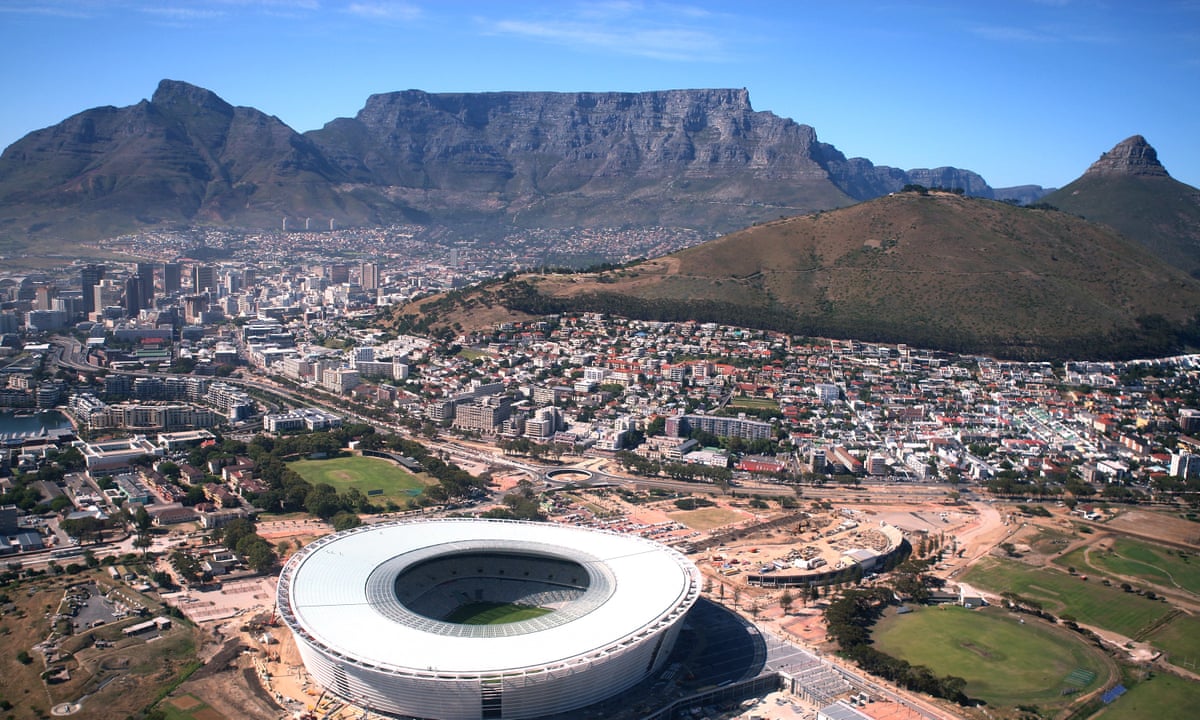
Cape Town stands as a truly iconic destination, renowned for its breathtaking landscapes, vibrant cultures, and diverse natural beauty. Nestled at the tip of Africa, this city offers a stunning juxtaposition of towering mountains, pristine beaches, and a rich cultural tapestry that beckons travelers from around the world. When you think of Cape Town, South Africa: Mountains, Coastlines, and Cultural Riches, you’re envisioning an extraordinary blend of terrains and traditions that create an unforgettable journey. This guide will explore the myriad facets of this remarkable city, highlighting its natural marvels, cultural vibrancy, and sustainable practices that keep its treasures alive for generations.
Cape Town: A Symphony of Mountains, Coastlines, and Culture
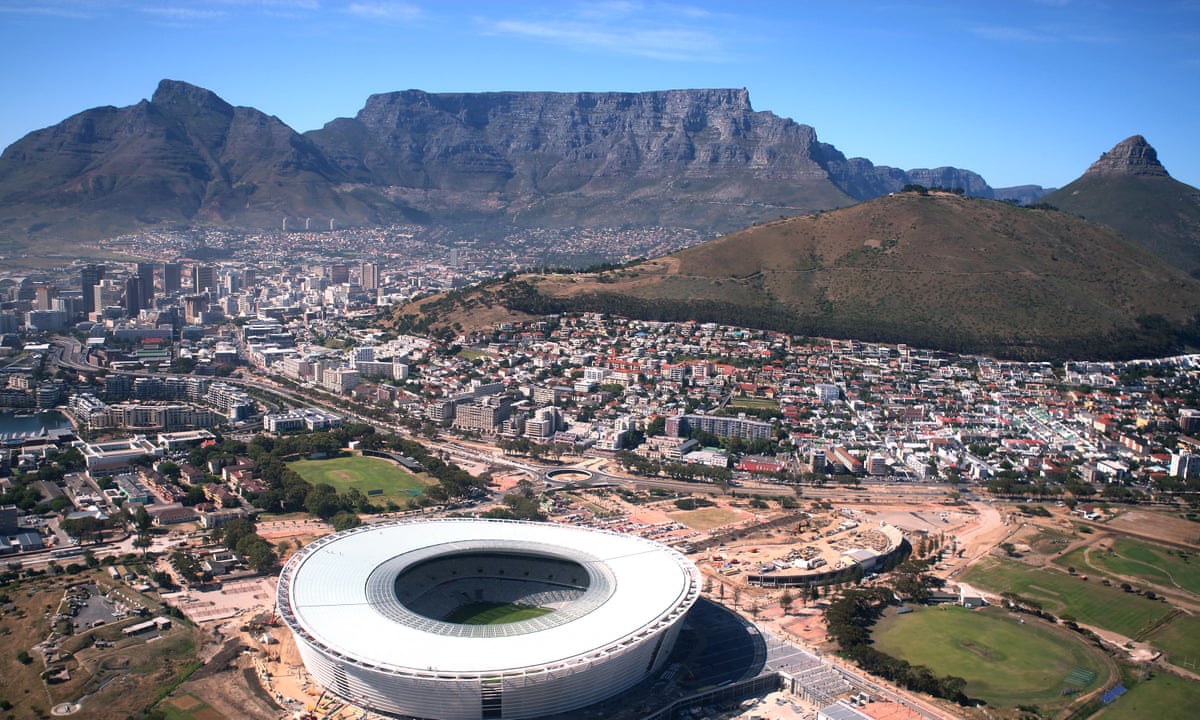
Cape Town is a city that embodies the harmony of nature and human creativity. Here, majestic mountains such as Table Mountain serve as a dramatic backdrop, while sprawling coastlines invite exploration of tropical beaches and turbulent ocean. Beyond the landscapes, Cape Town’s cultural scene pulses with history, art, and diverse communities, making it a microcosm of South Africa’s broader identity. To truly grasp what makes Cape Town unique, one must appreciate the seamless interplay between these elements—a symphony of mountains, coastlines, and cultural richness that defines the city’s character.
This city is often described as a living canvas where natural beauty inspires art and spirituality, and where diverse peoples come together to enrich its cultural fabric. Visitors and locals alike find themselves immersed in a landscape that changes with the seasons, each revealing new facets and stories. Whether it’s hiking to panoramic viewpoints or exploring vibrant markets, Cape Town offers an immersive experience that celebrates the harmony of its landscapes and communities.
Exploring the Majestic Mountains of Cape Town: A Hiker’s Paradise

The mountains surrounding Cape Town are truly awe-inspiring, offering some of the finest hiking experiences on the continent. At the heart of this mountainous paradise is Table Mountain, a UNESCO World Heritage site known worldwide for its flat summit and breathtaking vistas. Hikers of all levels flock here to conquer trails like Platteklip Gorge or Silvermine, each presenting a different perspective of the city and seascape below. The experience of reaching the summit is profoundly rewarding, as it provides sweeping panoramic views that stretch as far as the eye can see, capturing both the Atlantic and Indian Oceans.
But Cape Town’s mountains extend beyond the iconic Table Mountain. The nearby Lion’s Head and Devil’s Peak present more challenging trails for seasoned adventurers, combining steep climbs with rock scrambles. The less-trodden paths of the Twelve Apostles also offer breathtaking scenery, lush fynbos vegetation, and a chance to connect deeply with nature. These peaks not only define the landscape but also serve as environmentally sensitive areas vital for conserving endemic flora and fauna, giving hikers an opportunity to appreciate the delicate ecosystems that thrive here.
Cape Town’s Coastal Charms: Beaches, Bays, and Marine Wonders
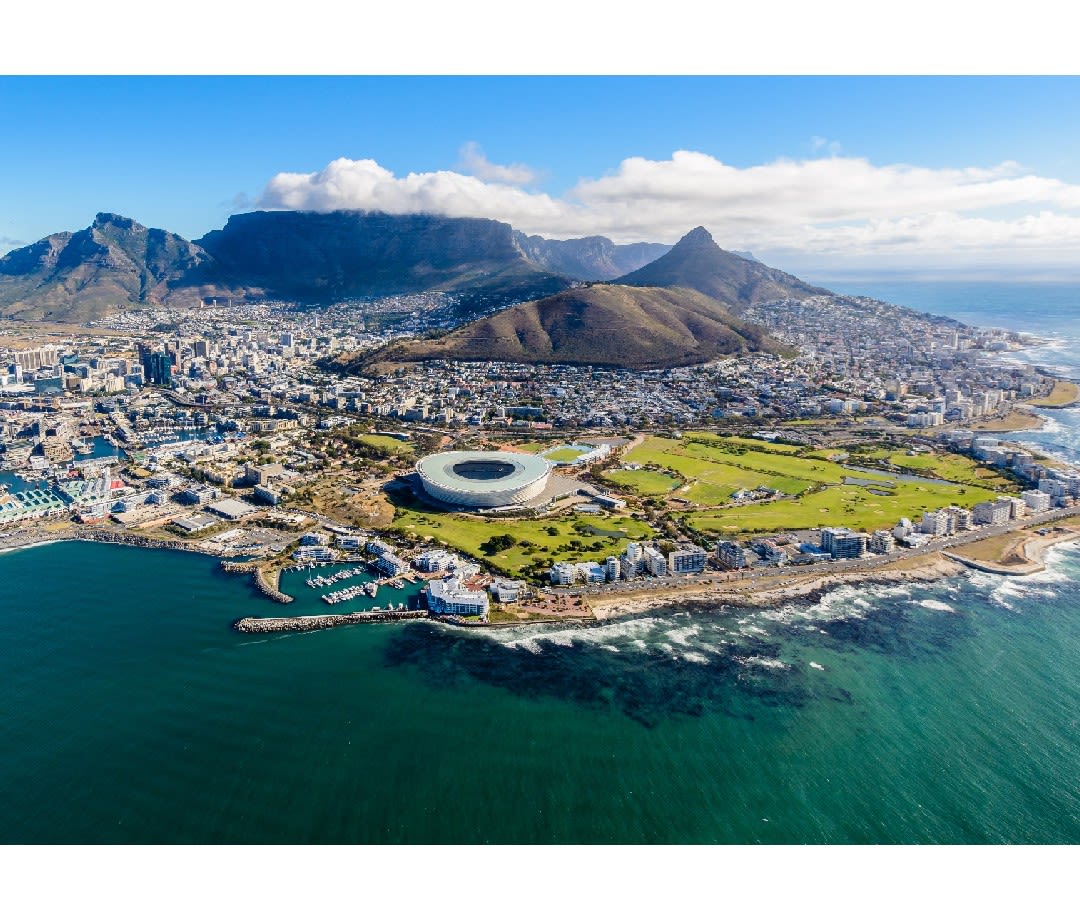
The coastline of Cape Town is nothing short of spectacular, offering a diverse array of beaches ranging from bustling urban shores to secluded coves. Camps Bay, with its palm-fringed beaches and lively promenade, epitomizes the city’s vibrant coastal lifestyle. The pristine sands meet the cool Atlantic, inviting sunbathers, surfers, and sunset gazers alike to indulge in moments of leisure and awe. Walking along the shoreline, visitors can enjoy the dramatic backdrop of the Twelve Apostles mountain range, making every moment feel like a postcard scene.
Beyond the beaches, Cape Town‘s marine life astonishes tourists and researchers alike. Seal colonies dot the coastal waters, and whale watching excursions during migration seasons reveal the majestic presence of humpbacks and southern right whales. The region is also home to the African penguin colonies at Boulders Beach—an adorable reminder of the region’s unique biodiversity. These marine wonders highlight the importance of preserving coastal ecosystems and underscore the city’s reliance on sustainable practices that protect these fragile environments for future generations.
A Cultural Tapestry: Unveiling Cape Town’s Rich Heritage and Diversity

Cape Town is a crossroads of history and culture, where a rich tapestry of peoples, traditions, and arts create a vibrant mosaic. From the legacy of apartheid reflected in museums like Robben Island to the lively street art scenes in Woodstock and the Bo-Kaap, the city’s cultural landscape is endlessly captivating. The diversity of its communities—ranging from indigenous Khoisan people to descendants of Dutch, Malay, and Indian settlers—contributes to an intricate social fabric that is both resilient and dynamic.
This cultural richness extends into culinary traditions, music genres, and indigenous crafts. The flavors of Cape Malay cuisine, the rhythms of township jazz, and the vibrant crafts markets showcase a lively spirit that celebrates both history and modernity. Engaging with local art galleries and cultural centers offers deeper insights into how historical struggles and multicultural influences shape the contemporary identity of Cape Town. It’s a city that honors its past while actively building towards an inclusive and creative future.
Beyond Table Mountain: Discovering Cape Town’s Lesser-Known Peaks
While Table Mountain often steals the spotlight, the region is dotted with lesser-known peaks that equally warrant exploration. For those seeking solitude and unspoiled scenery, peaks like Constantiaberg and Klawerberg provide rewarding hikes and vistas without the crowds. These quieter summits are often surrounded by lush forests and sprawling vineyards, offering a perfect blend of mountain and land-based tourism.
Exploring these lesser-known peaks reveals new facets of Cape Town‘s natural beauty, including vistas that overlook far-reaching valleys and neighboring winelands. These areas are also crucial habitats for endemic species, emphasizing the importance of conservation efforts outside the bustling tourist hubs. For adventurous travelers willing to venture off the beaten path, these mountains offer profound serenity, breathtaking views, and an appreciation of the region’s lesser-acknowledged natural treasures.
The Cape Peninsula: Where Mountains Meet Coast in Spectacular Fashion
The Cape Peninsula is a geological marvel where soaring mountains dramatically plunge into the Atlantic Ocean. This scenic region is a showcase of Earth’s natural artistry, with rugged cliffs, hidden coves, and rolling hills. Driving along the Chapman’s Peak Drive, one of the most iconic roads in the world, travelers witness an extraordinary union of mountain grandeur and oceanic expanse. The peninsula’s diverse ecosystems and spectacular landscapes make it a must-visit destination for nature lovers and photographers alike.
Beyond its stunning scenery, the Cape Peninsula plays a vital role in conservation, especially as it is home to the Cape Floral Kingdom—a UNESCO World Heritage Site and one of the richest plant regions on Earth. It’s here that visitors can explore Cape Point’s breathtaking cliffs and the historic lighthouse, or encounter the charming African penguins at Boulders Beach. This region exemplifies the synergy between Mountains and coastlines, offering a vivid illustration of South Africa’s geological and ecological wonders.
Cape Town’s Vibrant Cultural Scene: Art, Music, and Culinary Delights
Cape Town pulses with creative energy, reflected vividly in its thriving art, music, and culinary scenes. The city’s galleries feature contemporary and traditional works from local artists whose stories echo the city’s multicultural roots. Music venues regularly host jazz, Afrobeat, and world music festivals that attract international and local acts, creating a lively soundtrack that infuses the city’s streets and neighborhoods.
Culinary experiences in Cape Town are equally diverse and flavorful, blending indigenous ingredients with global influences. From fresh seafood along the coast to farm-to-table dining in the city’s trendy neighborhoods, the food scene celebrates the region’s rich agricultural and cultural diversity. Visitors can indulge in Cape Malay curries, sample artisanal wines from nearby vineyards, or sip craft cocktails while enjoying vibrant street festivals. These cultural delights exemplify the city’s dynamic and creative spirit—where arts, nature, and cuisine work together to craft a truly immersive experience.
Sustainable Tourism in Cape Town: Preserving its Natural and Cultural Treasures
As one of the world’s most beloved travel destinations, Cape Town recognizes the importance of sustainable tourism practices to maintain its natural beauty and cultural integrity. Initiatives promoting eco-friendly transportation, responsible wildlife viewing, and eco-conscious accommodations are gaining momentum. Tour operators and local communities are working together to ensure tourism benefits both visitors and residents while minimizing environmental impact.
Sustainable efforts also emphasize preserving unique ecosystems like the Cape Floral Kingdom and marine environments. Education programs raise awareness about the importance of protecting endemic plant species and marine biodiversity, including the endangered African penguins and marine mammals. Cape Town’s ongoing commitment to responsible tourism underscores its dedication to safeguarding its mountains, coastlines, and cultural riches for generations to come, proving that travel can be both enriching and mindful.
From Penguins to Proteas: Experiencing Cape Town’s Unique Biodiversity
The biodiversity of Cape Town is among the most fascinating in the world, showcasing a stunning array of flora and fauna. The region’s unique plant species, such as the Cape Protea, have become symbols of resilience and beauty, thriving amid the rugged landscapes. Visiting protected areas like Kirstenbosch Botanical Gardens offers an up-close look at this flora, as well as the opportunity to learn about ongoing conservation efforts.
Animal encounters are equally captivating—from observing playful African penguins at Boulders Beach to spotting baboons, gerbils, and various bird species in their natural habitats. Marine excursions often reveal dolphins and whales, creating memorable wildlife encounters. This exceptional biodiversity underscores the importance of conservation efforts and sustainable practices, fostering a deeper connection to the region’s natural environment while respecting its ecological fragility.
Planning Your Cape Town Adventure: A Guide to Mountains, Coastlines, and Cultural Immersion
Planning a trip to Cape Town requires thoughtful consideration of its diverse attractions and terrains. From selecting the best hiking trails on Table Mountain to choosing beachfront accommodations along Camps Bay, travelers should tailor their itineraries to encompass both outdoor adventures and cultural explorations. Incorporating visits to museums, markets, and historic sites will enrich the experience beyond scenic beauty, offering insights into the city’s complex history and diverse cultures.
To maximize your time, consider guided tours that focus on specific themes such as eco-tourism, indigenous heritage, or culinary experiences. Seasonal considerations, such as avoiding peak crowds or rainy periods, will enhance your journey. Most importantly, embrace the spirit of travel that Cape Town inspires—whether through sunrise hikes, coastal walks, or engaging with local communities—to truly appreciate its mountains, coastlines, and cultural riches in a meaningful way.
Conclusion
In sum, Cape Town, South Africa: Mountains, Coastlines, and Cultural Riches encapsulates a destination that is both geographically and culturally diverse, offering endless opportunities for discovery, adventure, and reflection. Its majestic mountains serve as natural monuments inspiring awe and exploration, while its coastlines provide serene escapes and vibrant marine ecosystems. The city’s rich cultural tapestry, woven from a history of resilience and multiculturalism, enriches every interaction from art to cuisine. Sustainable practices ensure that Cape Town‘s treasures are preserved amidst ongoing growth, encouraging future generations to enjoy its natural and cultural splendors. Whether you’re seeking thrilling hikes, breathtaking vistas, historical insights, or cultural immersion, Cape Town delivers an unparalleled experience that celebrates the harmony of its natural and cultural worlds.





Leave a Reply