

Nestled along the central coast of Vietnam, Hoi An is a mesmerizing city that beckons travelers with its timeless charm and rich cultural tapestry. Recognized as a UNESCO World Heritage Site, this enchanting town offers an immersive journey through history, architecture, cuisine, and traditions. Hoi An, Vietnam: A UNESCO Heritage Gem in Southeast Asia is more than just a travel destination; it’s a living museum that embodies the soul of Southeast Asian culture, craftsmanship, and resilience. Visitors often find themselves captivated by its lantern-lit streets, historic waterfront, and warm, welcoming community.
Understanding Hoi An’s significance involves exploring the layers of its past and present. This city has transformed from a bustling trading port to a preserved cultural sanctuary that holds stories from centuries ago. As you wander through its ancient alleyways and luminous nights, you’ll realize that Hoi An is a true UNESCO heritage gem that combines history with vibrant modern living, offering insights into Vietnam’s development while maintaining its authentic identity.
Exploring Hoi An: A UNESCO World Heritage Site

Stepping into Hoi An, Vietnam: A UNESCO Heritage Gem in Southeast Asia means entering a realm where history seamlessly merges with everyday life. The historic Old Town is meticulously preserved, showcasing a network of narrow streets filled with ancient merchant houses, traditional assembly halls, and Japanese covered bridges. Walking through this area feels like stepping back in time, with each corner whispering stories of trade, migration, and cultural exchange that shaped the city over centuries.
What makes exploring Hoi An unique is not just the preservation but the palpable sense of community that breathes life into its streets. Local artisans continue their craft of lantern-making, tailoring, and embroidery, keeping traditional techniques alive amidst tourism. As you wander through its streets, you’ll observe a harmonious blend of ancient architecture and contemporary culture, providing a genuine sense of authenticity and historical continuity. The city’s careful preservation is a testament to its global significance and its role as a cultural hub that continues to thrive today.
The Allure of Hoi An: A Southeast Asian Gem
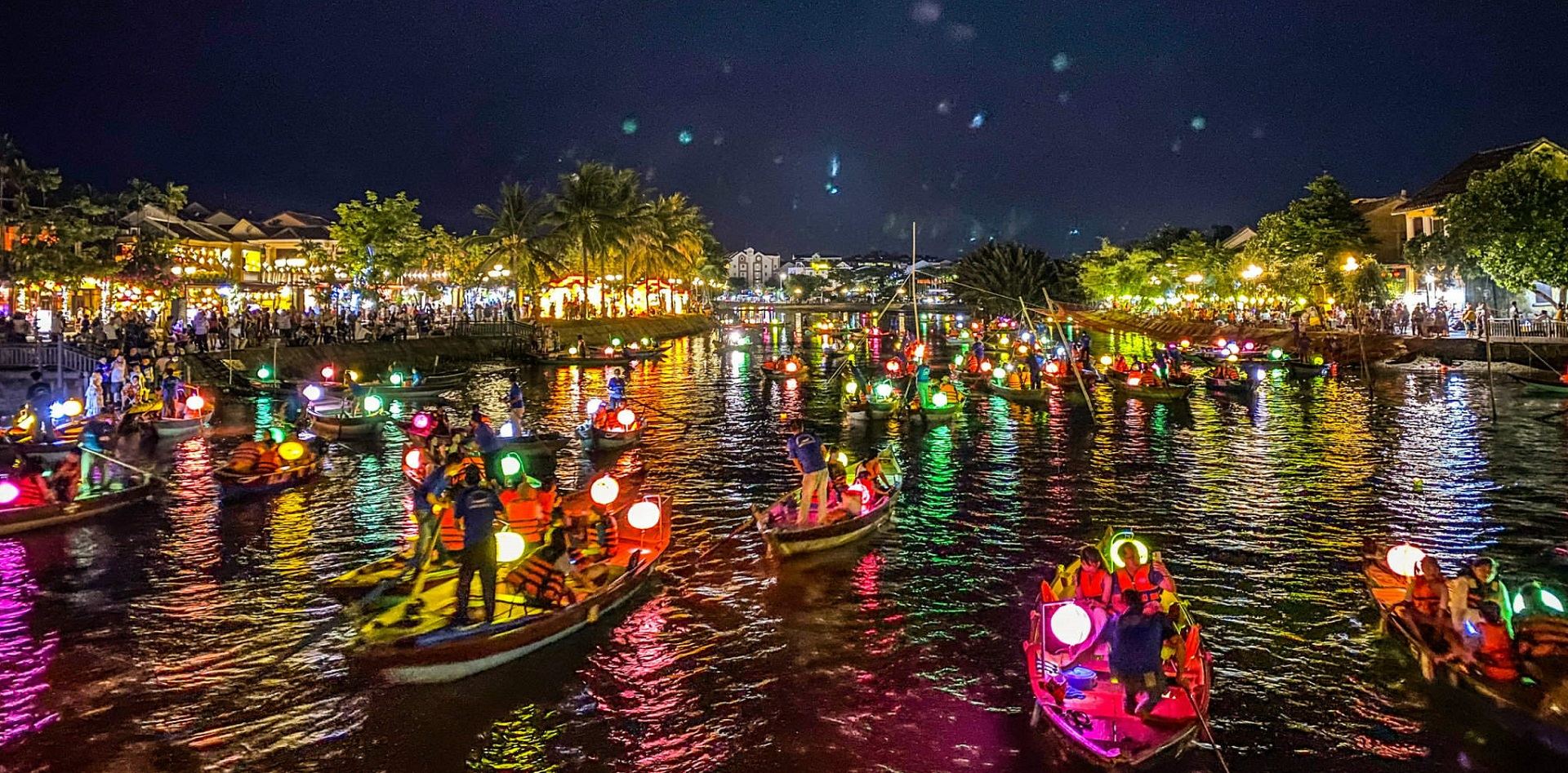
The allure of Hoi An lies in its delicate balance between aesthetic beauty, cultural richness, and genuine warmth. Its scenic river setting, dotted with colorful lanterns and quaint boat rides, creates a fairy-tale atmosphere that appeals to romantic souls and adventure seekers alike. Whether you’re taking in the sunset from a rooftop café or exploring the bustling night market, every moment here feels imbued with magic and history.
Beyond its visual appeal, Hoi An exudes an inviting charm rooted in its friendly people and vibrant traditions. The town attracts creatives, travelers, and mystics who find inspiration in its peaceful beauty and cultural depth. This true Southeast Asian gem exudes an authentic vibe—an intoxicating mix of heritage, community spirit, and natural splendor. It’s a place where every visitor leaves with a deeper appreciation of history, artistry, and the importance of preserving cultural treasures amid modern challenges.
Hoi An’s Rich History: Tracing its UNESCO Heritage
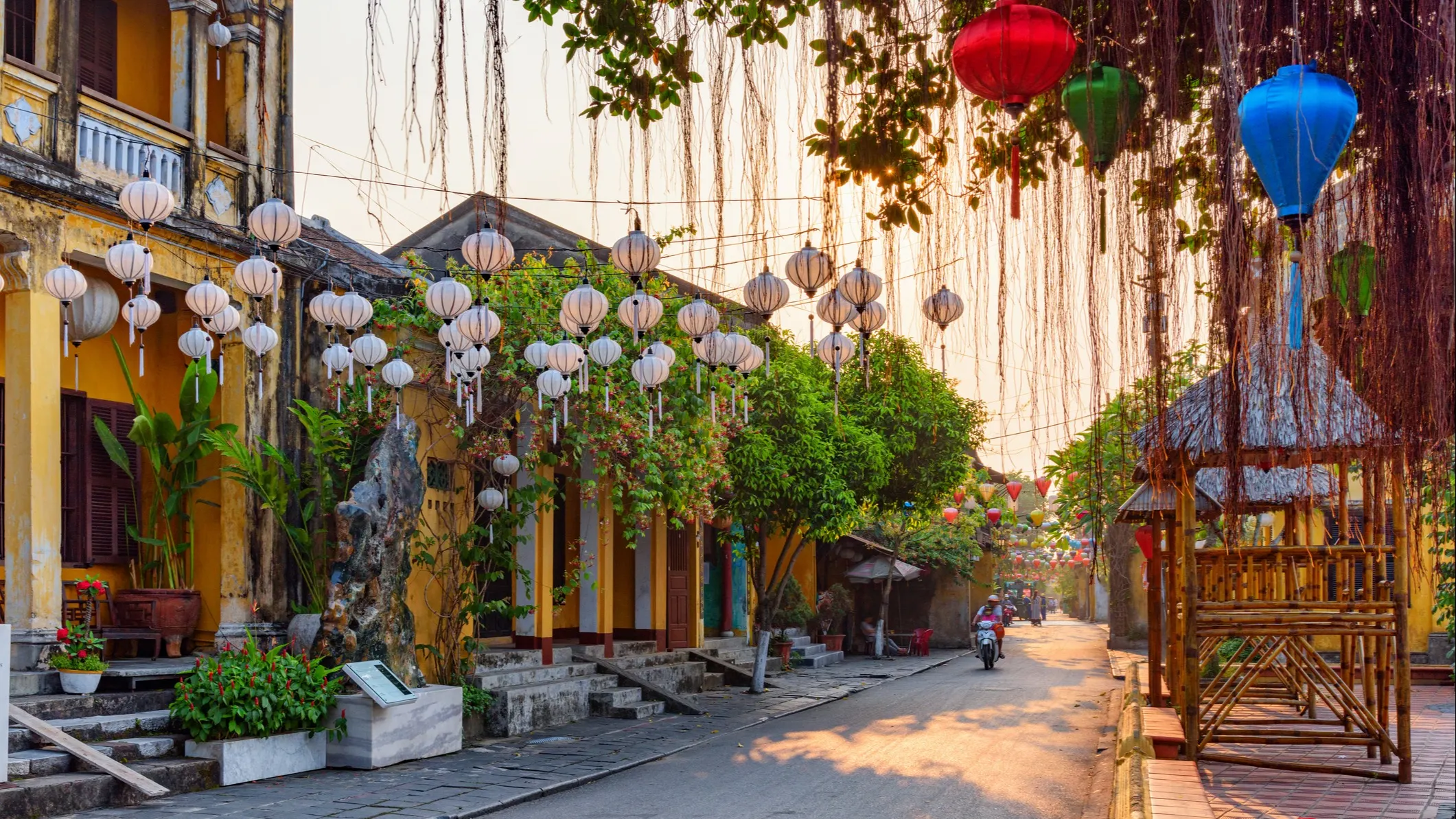
The history of Hoi An is a captivating saga of commerce, culture, and resilience. It was once a prominent port during the 15th to 19th centuries, serving as a vital trading hub connecting Vietnam to China, Japan, and Europe. This openness to external influences is evident in the architecture and cultural practices that blend indigenous Vietnamese traditions with those of foreign traders and settlers. The city’s strategic location made it a melting pot of civilizations, which is still reflected in its diversity today.
Tracing its UNESCO heritage, one uncovers stories of resilience through wars, colonization, and economic shifts. Despite upheavals, Hoi An managed to protect its architectural and cultural landscape, earning its status as a UNESCO World Heritage site in 1999. Today, its history is preserved through archaeological sites, traditional crafts, and festivals that keep the spirit of ancient Hoi An alive. Exploring its history offers invaluable insights into Southeast Asia’s broader narrative of openness, adaptation, and resilience in the face of global change.
Architectural Marvels: Discovering Hoi An’s Unique Charm

What sets Hoi An apart is its eclectic and innovative architecture, a tangible reflection of its historical cosmopolitanism. The city is a living showcase of different architectural influences—Chinese, Japanese, French, and Vietnamese—meticulously preserved in buildings, temples, and communal halls. The Japanese covered bridge, with its intricate carvings and symbolism, serves as a symbolic gateway to understanding the city’s multicultural roots.
Walking through the streets, one is struck by how well the buildings have been maintained or restored, maintaining their original charm while accommodating modern needs. The earthy tones of aged timber, ornate lanterns, and thatched roofs evoke a sense of authenticity rooted in craftsmanship. Architectural marvels in Hoi An serve not only as physical structures but as storytellers of the city’s layered history and cultural amalgamation. Recognizing their importance highlights why Hoi An has rightly earned its place on the UNESCO list as a stellar example of preservation blending with innovation.
Culinary Delights of Hoi An: A Food Lover’s Paradise
The culinary landscape of Hoi An is a vibrant mosaic of flavors, influenced by centuries of trade and cultural exchange. Traditional dishes like Cao Lau, a local noodle dish with fragrant herbs, and White Rose dumplings demonstrate the city’s culinary uniqueness, rooted in its history and local ingredients. Food in Hoi An is more than sustenance; it’s a way of storytelling, an expression of identity passed down through generations.
Exploring Hoi An’s food scene offers immersive experiences—from cooking classes with local chefs to vibrant night markets bursting with street food stalls. The city’s culinary delights are complemented by its picturesque setting—drifting along the Thu Bon River or dining al fresco amidst lantern-lit streets creates an unforgettable sensory experience. The combination of fresh ingredients, traditional techniques, and the city’s welcoming ambiance makes Hoi An a food lover’s paradise and an integral part of its UNESCO heritage appeal.
Beyond the Ancient Town: Experiencing Hoi An’s Surroundings
While the ancient town rightfully takes center stage, Hoi An’s surroundings hold a wealth of natural and cultural treasures waiting to be explored. The nearby Cua Dai Beach and An Bang Beach offer serene escapes with pristine sands and inviting waters, perfect for relaxation or water sports. The countryside, dotted with rice paddies and quaint villages, provides a glimpse into rural Vietnamese life—a contrast to the bustling town and a reminder of the city’s reliance on agriculture and traditional lifestyles.
Venturing outside the urban core allows travelers to discover more about Hoi An‘s regional significance and natural splendor. Taking part in eco-tours, visiting local farms, or cycling through lush landscapes enriches your understanding of the area’s ecological and cultural fabric. These experiences deepen appreciation for how Hoi An seamlessly integrates its historical prominence with its ongoing relationship to the land and environment, making it a multidimensional UNESCO heritage site.
Hoi An’s Festivals and Traditions: A Cultural Immersion
One of the most compelling aspects of Hoi An is its vibrant festivals and enduring traditions that keep cultural heritage alive. The Full Moon Lantern Festival, held monthly, transforms the city into a luminous wonderland as thousands of lanterns float on the river, symbolizing wishes and honoring ancestors. These festivals involve traditional music, dance, and rituals—offering visitors an authentic glimpse into local spirituality and community bonding.
Participating in these celebrations is a deeply immersive experience that connects visitors to the heart of Hoi An’s cultural identity. For locals, traditions like boat races, craft fairs, and religious observances are more than events—they are vital parts of life that reinforce their collective memory and cultural resilience. Such festivals exemplify how Hoi An’s customs are preserved and adapted, ensuring that its UNESCO heritage remains vibrant, meaningful, and relevant to future generations.
Sustainable Tourism in Hoi An: Preserving the Heritage
As Hoi An continues to attract global visitors, the importance of sustainable tourism becomes increasingly evident. The challenge lies in balancing the economic benefits of tourism with the preservation of its historical and cultural assets. Initiatives such as eco-friendly accommodations, waste management programs, and community-based tourism projects are vital for ensuring that Hoi An’s charm endures amidst tourism growth.
Engaging with sustainable practices involves both local authorities and visitors alike—by supporting local artisans, respecting cultural sites, and reducing environmental footprints. This synergy is essential for maintaining Hoi An as a UNESCO Heritage Gem in Southeast Asia. It’s a model for responsible tourism that honors its past while fostering resilience for the future, preserving its legacy for generations to come.
Planning Your Trip to Hoi An: Essential Tips and Information
Preparing for a trip to Hoi An requires thoughtful planning to maximize your experience. The best time to visit is during the dry season, from February to August, when weather conditions are ideal for exploring the city and its surroundings. Staying in the ancient town offers proximity to key attractions, but there are also lovely boutique hotels in quieter areas that provide a more relaxed atmosphere.
Familiarizing yourself with local customs, currency, and transportation options will enhance your journey. Renting bicycles or motorbikes is a popular and authentic way to navigate the city and explore its outskirts. Hiring local guides can deepen your understanding of the history and culture, making your visit more meaningful. Well-prepared planning ensures your immersion into Hoi An’s UNESCO heritage and vibrant community while respecting its delicate cultural fabric.
Hoi An Today: Balancing Preservation and Modernity
Today, Hoi An exemplifies a successful blend of historical preservation and modern development. While maintaining its UNESCO heritage status, the town has adapted to contemporary needs by introducing eco-friendly initiatives, improving infrastructure, and supporting local businesses. This balance allows Hoi An to retain its authentic charm while offering modern amenities such as cozy cafes, boutique hotels, and cultural centers.
The ongoing challenge is to sustain this harmony—preserving the integrity of its ancient architecture and traditions while embracing the convenience and innovation of modern tourism. Many initiatives focus on education, community involvement, and environmentally conscious practices. Hoi An’s ability to navigate this balance ensures that it remains a vibrant cultural hub, a UNESCO Heritage Gem in Southeast Asia, where history, culture, and modernity coexist beautifully.
Conclusion
Hoi An, Vietnam: A UNESCO Heritage Gem in Southeast Asia is a testament to the enduring beauty, resilience, and cultural richness of Vietnam. This historic city offers a captivating blend of ancient architecture, vibrant traditions, exquisite cuisine, and natural splendors that create an immersive experience for every traveler. Its careful preservation, vibrant festivals, and sustainable initiatives ensure that Hoi An remains a living testament to its storied past and promising future. Visiting Hoi An is not just discovering a destination—it’s participating in a shared legacy that celebrates history, community, and the everlasting spirit of Southeast Asia.







Leave a Reply