

Welcome to the ultimate guide on the Great Wall of China: A Complete Visitor’s Guide to This World Wonder. Whether you’re an avid history buff, a passionate traveler, or someone seeking an awe-inspiring experience in one of the world’s most iconic landmarks, this comprehensive guide aims to prepare you for an unforgettable journey to the Great Wall. This ancient marvel not only offers breathtaking views and cultural insights but also encompasses centuries of history, architecture, and resilience. As you plan your adventure, understanding every facet of the Wall—from its various sections to travel tips—will enrich your visit and deepen your appreciation for this extraordinary World Wonder.
In this extensive guide, we’ll explore the best times to visit, how to choose the right section, transportation options, accommodations, what to expect physically and mentally during your trek, essential gear, safety guidelines, culinary experiences, and nearby attractions. Whether you have a day or a week, this guide ensures you’re well-equipped to witness the grandeur of the Great Wall and understand its profound significance in Chinese history and global heritage.
Introduction: Unveiling the Majesty of the Great Wall of China

The Great Wall of China stands as an unrivaled beacon of human ingenuity and perseverance. Stretching over 13,000 miles, it’s a symbol of the formidable defense architecture built by ancient Chinese civilizations to protect their land from invasions and raids. More than just a wall, it embodies centuries of history, culture, and dynastic ambition. Visiting the Great Wall is not merely about walking along a historic structure but immersing oneself in the spirit of resilience and ingenuity that characterizes Chinese civilization.
Beyond its historical importance, the Great Wall is an awe-inspiring landscape. The panoramic vistas from its ramparts are breathtaking, with rugged mountains, lush forests, and changing terrains painting a picture of natural beauty intertwined with centuries of human effort. The Wall beckons travelers from around the world to marvel at its engineering marvels and to reflect on the enduring human desire to protect, explore, and connect. Preparing thoroughly can turn an ordinary visit into a profound encounter with history, culture, and the natural world.
Planning Your Visit: Best Time to Go and Duration
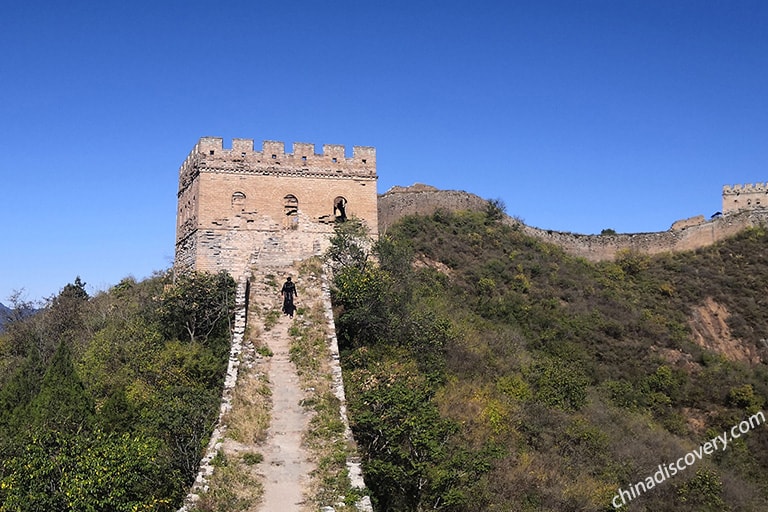
When planning your trip to the Great Wall of China: A Complete Visitor’s Guide to This World Wonder, timing is key to maximizing enjoyment and comfort. Spring (April to June) and autumn (September to November) are generally regarded as the best seasons to visit, thanks to mild weather, fewer crowds, and stunning natural scenery. Spring brings blossoming flowers and fresh greens, while autumn transforms the scenery with warm colors that enhance the Wall’s historic charm. Visiting during these months also reduces the risk of extreme heat or cold, making your trek more comfortable and enjoyable.
The ideal duration of your visit depends on your interests and the region you choose to explore. For a casual walk and sightseeing, a half-day to a full day often suffices. However, for enthusiasts eager to delve deeper into multiple sections or hike more extensive portions of the Wall, dedicating two or more days allows a richer experience. Remember, visiting the Wall isn’t merely about ticking it off your bucket list; it’s about savoring the experience, learning its stories, and absorbing the surrounding environment. Adequate planning ensures that your visit is both memorable and comfortable, no matter how extensive your exploration.
Choosing Your Section: Mutianyu, Badaling, Simatai, and Beyond

Each section of the Great Wall has its own distinct personality, historical significance, and visitor experience, making the choice of which to visit an exciting decision. The Badaling section is the most popular and accessible, featuring well-preserved walls and many tourist facilities. It’s ideal for first-time visitors, families, and those with limited time, offering a manageable but awe-inspiring stretch of the Wall. However, it can get crowded, especially during peak season, which sometimes diminishes the sense of wilderness and adventure.
For travelers wanting a more authentic and less crowded experience, Mutianyu offers a stunning landscape with lush scenery and restored walls, combined with options for cable car rides that ease the climb. Simatai, on the other hand, provides a rugged, adventurous experience with steep slopes, watchtowers, and fewer visitors. It’s perfect for hikers and those seeking a taste of the Wall’s historic ruggedness. Beyond these, lesser-known sections such as Jinshanling, Jiankou, and Huanghuacheng provide a sense of untouched wilderness, perfect for photography, exploration, and connecting with the Wall’s raw natural beauty. Your choice should align with your physical ability, interest level, and desire for crowd-free exploration.
Transportation Options: Getting to and from the Great Wall

Reaching the Great Wall requires some planning, especially considering its vast expanse and the different sections spread across various locations. The most common starting point is Beijing, the capital city, which offers excellent transportation options. To get to popular sections like Badaling and Mutianyu, one can opt for private car services, shuttle buses, or organized tours, which are convenient and time-efficient. Many tours include transportation, guided commentary, and skip-the-line access, making them ideal for those who want a hassle-free experience.
If you prefer a more flexible approach, public transportation options such as buses and subway lines are available, especially for sections like Badaling, which is accessible via the Badaling Railway Station or bus routes from central Beijing. For more adventurous travelers seeking off-the-beaten-path sections like Jinshanling or Jiankou, renting a car or joining specialized hiking tours is advisable. The transportation logistics might appear daunting at first, but with a well-planned strategy, accessing the Wall becomes a seamless part of your travel experience. Efficient transportation options translate into more time enjoying the scenery and less time navigating the journey.
Accommodation: Where to Stay Near the Great Wall
Choosing the right accommodation near the Great Wall enhances your overall experience by allowing immersive exploration and restful comfort. Several towns and villages near different sections serve as popular base points—such as the Yanqing District near Badaling, the Huairou District near Mutianyu, or the villages around Jinshanling and Simatai. Options range from luxury hotels and boutique resorts to simpler guesthouses and hostels, accommodating various travel budgets and preferences.
Staying close to the Wall has distinct advantages: early morning views, avoiding peak crowd times, and experiencing local culture more intimately. For instance, luxury hotels might offer spectacular panoramic views of the surrounding mountains, spa services, and fine dining, enriching your journey. Meanwhile, backpacker-hostels and homestays provide authentic cultural interactions and budget-friendly options. Booking in advance is strongly recommended, especially during peak seasons, to secure your ideal spot. Your choice of accommodation can greatly influence the pace and comfort of your visit—whether you seek indulgence, adventure, or cultural immersion.
What to Expect: Terrain, Difficulty, and Required Fitness Levels
Walking the Great Wall isn’t a uniform experience; it involves varying terrains, inclines, and surfaces, which can challenge even seasoned hikers. Sections like Jiankou and Simatai are more rugged and steep, often untouched, and require good physical fitness, proper footwear, and stamina. Conversely, sections like Badaling and Mutianyu feature better-maintained pathways, gentler inclines, and facilities that accommodate less experienced visitors. It’s essential to assess your fitness level and choose a section accordingly to maximize enjoyment and safety.
Expect uneven stone steps, some narrow pathways, and sometimes steep ascents or descents that demand physical resilience. If you’re not accustomed to long walks or hiking on uneven terrain, investing in a few training sessions or doing preparatory walks beforehand can significantly enhance your experience. Take regular breaks, stay hydrated, and listen to your body. The Wall is a monument of perseverance, and your preparation will dictate how much of its grandeur you can explore comfortably. Embracing the physical challenge with proper planning will lead to a sense of achievement and a deeper connection with this historic marvel.
Essential Gear: Clothing, Footwear, and Supplies
Preparing the right gear is crucial for a safe and enjoyable visit to the Great Wall. The terrain, weather, and your personal comfort needs dictate what you should pack. Moisture-wicking clothes, layered outfits, and sun protection are essential, especially during the warmer months. If visiting in cooler seasons, thermal layers, gloves, and hats will keep you warm, as temperatures can drop dramatically, particularly on higher sections of the Wall.
Footwear is arguably the most important item: sturdy, broken-in hiking shoes or boots with good grip are necessary to navigate uneven stones, steep slopes, and variable terrain. Carry a small backpack with water, snacks, sunblock, a camera, a map or guidebook, and possibly a flashlight if you plan to explore less accessible sections. Additional supplies might include trekking poles for stability, a first aid kit, and wet wipes for quick refreshment. Proper gear not only ensures safety but also makes your adventure comfortable, allowing you to focus on enjoying the awe-inspiring scenery and historical significance of this World Wonder.
Safety Tips: Staying Safe on the Great Wall
Safety should always be a priority when exploring the Great Wall, especially given its often rugged and uneven terrain. Be mindful of your physical limits: avoid pushing yourself too hard and take plenty of breaks to prevent exhaustion. Always stay on designated paths and avoid venturing into restricted or unstable areas. The unpredictable weather, especially in winter or during sudden rainstorms, can create hazardous conditions, so check the forecast and plan accordingly.
It’s also advisable to travel with a companion or in a group, particularly if you plan to explore remote or less crowded sections. Keep your belongings secure and be cautious of other visitors, especially in popular spots where rushes and crowding may lead to accidental falls or injuries. If you’re unfamiliar with the area, consider hiring a guide or joining an organized tour, which can provide valuable safety support, local knowledge, and enriching commentary. Respect the historic structure and natural environment, leaving no trash behind to preserve its pristine condition for future visitors.
Dining Options: Food and Drink on and Around the Wall
While the Great Wall itself offers limited food options along its ancient stones, the surrounding areas are dotted with restaurants, cafes, and local eateries offering regional delicacies. Near the popular sections, especially Badaling and Mutianyu, food stalls provide quick snacks like fruits, bottled drinks, and traditional Chinese treats like baozi (steamed buns) and roasted corn. These options are perfect for refueling during your hike but may be limited in variety, so consider bringing some portable snacks or water bottles.
Exploring the nearby villages and towns opens up a world of culinary delights. You can enjoy authentic Beijing roast duck, stir-fried vegetables, noodle dishes, and local specialties which give a true taste of Chinese cuisine. Some resorts and hotels near the Wall also feature fine dining options with panoramic views, ideal for unwinding after a long day of exploration. Remember to stay well-hydrated and carry some snacks, especially if you’re hiking for several hours, ensuring you maintain the energy needed to fully appreciate your journey.
Beyond the Wall: Nearby Attractions and Activities
The Great Wall isn’t just a monument in isolation; it’s surrounded by numerous cultural, natural, and historical attractions worth exploring. The Ming Tombs, a UNESCO World Heritage Site, lie nearby and offer insights into the imperial history of Ming Dynasty China. The Beijing Summer Palace, with its sprawling gardens and ornate pavilions, provides a serene escape from the bustling city and complements your visit with royal history and architecture.
For nature lovers, the Yanling Valley or the Amethyst Hill are beautiful spots for hiking and sightseeing, offering additional perspectives of the Wall’s landscape. Cultural experiences like visiting local jade markets, practicing calligraphy, or attending traditional performances can broaden your understanding of Chinese heritage. Participating in a local tea ceremony or exploring ancient temples enriches your cultural journey, transforming your Wall visit into a multifaceted exploration of Chinese history and lifestyle. These nearby sites and activities turn a trip to the Great Wall into an immersive adventure, connecting past and present in spectacular ways.
Visiting the Great Wall of China: A Complete Visitor’s Guide to This World Wonder is an extraordinary experience that combines history, culture, adventure, and natural beauty. With thoughtful planning—considering the best time to go, the section to explore, transportation, accommodations, and safety—you can create a journey tailored to your interests and physical abilities. Engaging fully with the terrain, taking in the panoramic views, savoring local cuisine, and exploring adjacent attractions transform your trip from merely sightseeing to an enriching cultural immersion. Ultimately, the Gray Wall is a testament to human resilience and ingenuity, leaving visitors inspired and awestruck as they walk its ancient stones. Prepare well, respect the heritage, and let the majesty of this world wonder leave a lasting impression on your heart and mind.











Leave a Reply