

Welcome to your ultimate London Travel Guide: Royal Landmarks and Modern Attractions, where history and innovation blend seamlessly to create a vibrant, multifaceted cityscape. Whether you’re captivated by the regal splendor of centuries-old palaces or intrigued by sleek, contemporary architecture, London offers an unparalleled array of experiences. This guide will help you navigate through the city’s rich royal heritage and its dynamic modern scene, ensuring a memorable journey filled with discovery and cultural enrichment.
Exploring London: A Guide to Royal Landmarks and Modern Marvels
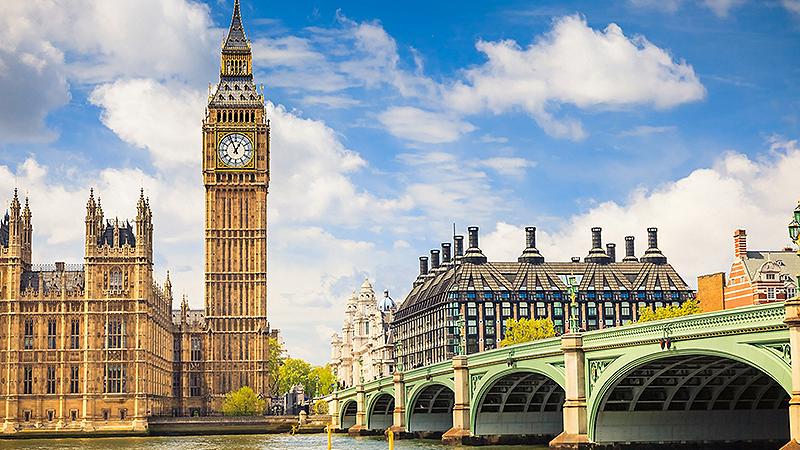
London is a city that effortlessly marries its storied past with a forward-looking vision. As you stroll through historic districts or gaze at towering skyscrapers, you sense a city alive with stories, ideas, and a resilient spirit. This blend makes London an indispensably intriguing destination, inviting travelers down roads where kings and queens once reigned and alongside innovative glass structures that symbolize progress. Exploring both aspects in tandem offers a comprehensive perspective on what makes London uniquely captivating.
This guide aims to serve as a practical roadmap, walking you through the must-see royal landmarks and modern marvels attentively designed for today’s traveler. From detailed historical insights to insider tips on modern attractions, your journey will be enriched by a balanced appreciation of London’s diverse landscapes. Understand how the city’s history shapes its contemporary identity, and discover how to experience its grandeur without missing out on its cutting-edge allure.
Must-See Royal Landmarks in London: A Historical Journey

London’s royal landmarks are magnets for history enthusiasts and curious travelers alike, each telling tales of monarchy, power, and tradition. The Tower of London, with its ancient walls and legendary stories of intrigue, has stood for over a millennium, serving as a royal palace, prison, and treasury. Walking through its grounds, you can almost hear echoes of Tudor plots and hear the chime of the Crown Jewels, which symbolize the enduring monarchy’s grandeur.
Another quintessential royal landmark is Buckingham Palace—home to the British monarch and renowned worldwide for its Changing of the Guard ceremony. The grandeur of the palace’s façade, combined with the strategic importance it holds as a symbol of royal authority, makes it a must-visit. Visiting during the summer months when the State Rooms are open to the public allows for a rare inside look into royal life, offering personal insights into the monarch’s world. Each of these sites acts as a portal into centuries of tradition that continue to shape contemporary Britain.
Beyond the Crown Jewels: Uncovering London’s Modern Attractions
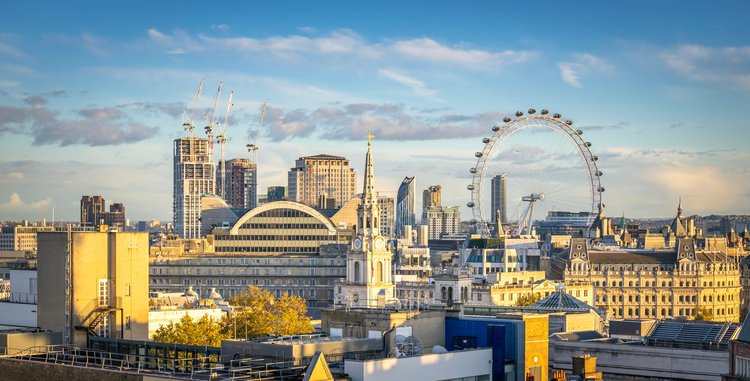
While London’s royal sites draw millions annually, the city’s contemporary scene offers equally compelling attractions that reflect its innovative spirit. From the soaring heights of The Shard to the cutting-edge design of the Tate Modern, London’s modern attractions demonstrate a city that’s continually reinventing itself. These sites offer a fresh perspective, emphasizing creativity in architecture, art, and technology—elements that are shaping the city’s future.
The Millennium Bridge, with its sleek design and dramatic sweeping curves, exemplifies London’s modern architectural prowess. Walking across it provides a spectacular view of the River Thames and the city’s skyline. Moreover, destinations like the Victoria and Albert Museum’s contemporary design exhibits and the vibrant street art in Shoreditch visually narrate London’s evolution as a hub for artistic experimentation and urban innovation. Beneath its historic façade, London pulses with a vibrant, modern heartbeat that complements its royal heritage.
Planning Your London Trip: Royal Landmarks and Modern Attractions Itinerary

Maximizing your London adventure requires strategic planning, especially when balancing royal landmarks with contemporary attractions. A well-structured itinerary might include a morning visit to the Tower of London, absorbing centuries of history, followed by an afternoon at the Tate Modern, engaging with modern art. Allocating time thoughtfully ensures you experience each site without feeling rushed, giving space for serendipitous discoveries and personal reflection.
Customizing your trip based on interests can elevate your experience even further. For example, if you’re a history buff, dedicated visits to Hampton Court Palace or Westminster Abbey can deepen your understanding of royal traditions. Conversely, art lovers might prefer exploring the Design Museum or the underground street art scene. Incorporating leisure activities, like a river cruise or relaxing in Hyde Park, offers a balanced journey that captures London’s royal elegance and modern vibrancy effectively.
A Royal Affair: Immersive Experiences at London’s Historic Sites
Visiting royal landmarks often feels like stepping into a living museum, but many sites offer immersive experiences that bring history alive. Walking through the Tower of London with a guided Yeoman Warder (Beefeater) tour reveals captivating stories behind the Crown Jewels, the ravens, and the fortress’s many secrets. These personalized narratives transform static relics into dynamic tales of intrigue and monarchy’s resilience.
Moreover, several locations host workshops, reenactments, and themed events that allow visitors to participate actively. For example, attending a royal-themed afternoon tea or experiencing a medieval banquet at Hampton Court Palace immerses one into the regal lifestyle of bygone eras. Such engaging activities elevate your appreciation of royal history beyond static sightseeing, providing a tangible connection to the royal past that is both educational and thoroughly enjoyable.
London’s Modern Architecture: A Contrast to Royal Grandeur
The contrast between London’s historic royal landmarks and its ultramodern architecture is striking, offering a visual narrative of the city’s evolution. The Shard, Western Europe’s tallest building, encapsulates modern ambition with its glass façade reflecting the city’s skyline and skyline-hugging silhouette. Standing at its observation deck reveals a breathtaking view of London’s sprawling cityscape—an impressive juxtaposition to the palace’s regal symmetry.
Similarly, the City Hall with its rounded, futuristic structure defies traditional architectural conventions, symbolizing transparency and openness in modern governance. These designs challenge historic precedent, often sparking debates about heritage versus innovation, but undeniably contribute to London’s unique skyline. As cities worldwide embrace sustainability and technological integration, London’s architecture exemplifies how historic reverence and modern progress can coexist harmoniously, shaping an inspiring urban identity.
Budget-Friendly London: Exploring Royal Landmarks and Modern Attractions on a Dime
Experiencing London’s royal and modern attractions doesn’t have to break the bank. Many landmarks, like the Changing of the Guard at Buckingham Palace or strolls along the South Bank, are free or inexpensive, offering rich experiences without hefty admission fees. Strategic planning, such as visiting popular sites early in the day or during off-peak seasons, can maximize enjoyment while minimizing expenses.
Additionally, numerous free museums and parks—like the British Museum, the National Gallery, and Hyde Park—offer immersive cultural encounters. For budget travelers, leveraging discounted entry passes or combined tickets can facilitate access to multiple attractions. Public transportation, including Oyster cards and walking tours, provides an economical way to explore extensively. With a bit of planning, affordable adventures await at every corner of London, blending its royal grandeur with its vibrant street life.
Hidden Gems: Unveiling London’s Less-Known Royal and Modern Treasures
Beyond London’s famous landmarks lie hidden treasures that add depth and surprise to your visit. For instance, Walk along the historic alleys of Little Venice, where canal boats and quaint cafes evoke a different side of the city—calm and picturesque. The neglected ruins of the Temple of Mithras tucked under the Bank of England reveal layers of ancient history largely missed by typical tourists.
On the modern side, spots like the Sky Garden’s public terrace offer stunning city views in a lush, botanical setting, often with less crowding than the London Eye. Also, exploring emerging neighborhoods like Camden Market or Brixton provides vibrant arts, eclectic foods, and a local flavor that’s often overlooked. These lesser-known destinations enrich your experience, allowing you to see London through a more intimate and authentic lens.
London’s Royal Parks and Gardens: A Blend of History and Nature
London’s Royal Parks and Gardens serve as serene retreats amidst urban hustle, each with its own story and charm. Hyde Park, with its storied history—including hosting the first modern Olympic Games—is a lush expanse for relaxation, picnicking, or attending concerts. Within its boundaries lies the Serpentine Lake, a focal point for boating and outdoor leisure that invites visitors to unwind while appreciating London’s historical significance.
St. James’s Park, just a stone’s throw from Buckingham Palace, offers a scenic oasis with its vibrant flowerbeds and the iconic pelicans. Beyond leisure, many of these parks have historically been used for royal hunts, parades, and diplomatic gatherings, making them living monuments to Britain’s regal past. Visiting these spaces offers a tranquil counterpoint to sightseeing busy city streets, blending natural beauty with a profound sense of history.
From Buckingham Palace to the Shard: A Comprehensive London Travel Guide
A comprehensive London travel guide must include a well-rounded plan that encompasses both the symbolic royal landmarks and the cutting-edge modern attractions. Starting with Buckingham Palace, witnessing the Changing of the Guard, and exploring the adjacent St. James’s Park set the tone for a regal introduction. Moving towards Westminster, Westminster Abbey and the Houses of Parliament deepen your understanding of the political and spiritual legacy tied to the monarchy.
Venturing to the modern skyline, the Shard and the Thames River cruise showcase London’s contemporary achievements and scenic beauty. The diverse neighborhoods—Notting Hill, Shoreditch, Southbank—offer eclectic atmospheres and cultural richness, perfect for leisurely exploration. Whether your focus is royal history, modern design, or lively street scenes, constructing a flexible itinerary ensures you capture London’s essence from multiple perspectives, making your trip comprehensive and enriching.
Conclusion
London stands as a testament to living history and modern innovation, seamlessly blending centuries-old royal landmarks with groundbreaking architectural achievements. Its iconic sites like Buckingham Palace, the Tower of London, and Westminster Abbey embody the city’s regal legacy, while soaring structures such as The Shard and designs like the City Hall exemplify its forward-looking spirit. Whether you’re walking amidst the grandeur of royal parks, exploring lesser-known treasures, or immersing yourself in the contemporary art and culture scene, London invites you to experience its diverse personality. Planning carefully and embracing both its historic and modern facets will ensure a memorable journey that captures the true essence of this extraordinary capital, making your London Travel Guide: Royal Landmarks and Modern Attractions an unforgettable adventure.










Leave a Reply