

Machu Picchu: Hiking to Peru’s Legendary Lost City is an adventure of a lifetime that combines natural beauty, historical intrigue, and physical challenge. Nestled high in the Peruvian Andes, this UNESCO World Heritage Site continues to captivate travelers worldwide who seek to experience its mysterious allure firsthand. From the lush, cloud-draped mountains to the ancient stone terraces, hiking to Machu Picchu is about immersing oneself in a landscape rich with history and vibrant cultural stories. Whether you are a seasoned trekker or a curious explorer, embarking on this journey offers a profound connection to the past and an unforgettable adventure in the present.
In this comprehensive guide, we’ll explore everything you need to know about setup and planning, route choices, essential gear, altitude adjustment, daily trekking itineraries, terrain challenges, site exploration, sustainable tourism practices, and extending your journey beyond the iconic ruins. Each section is designed to inspire and inform, helping you prepare for your own legendary trek to one of the world’s greatest archaeological treasures.
Machu Picchu: An Introduction to the Lost City
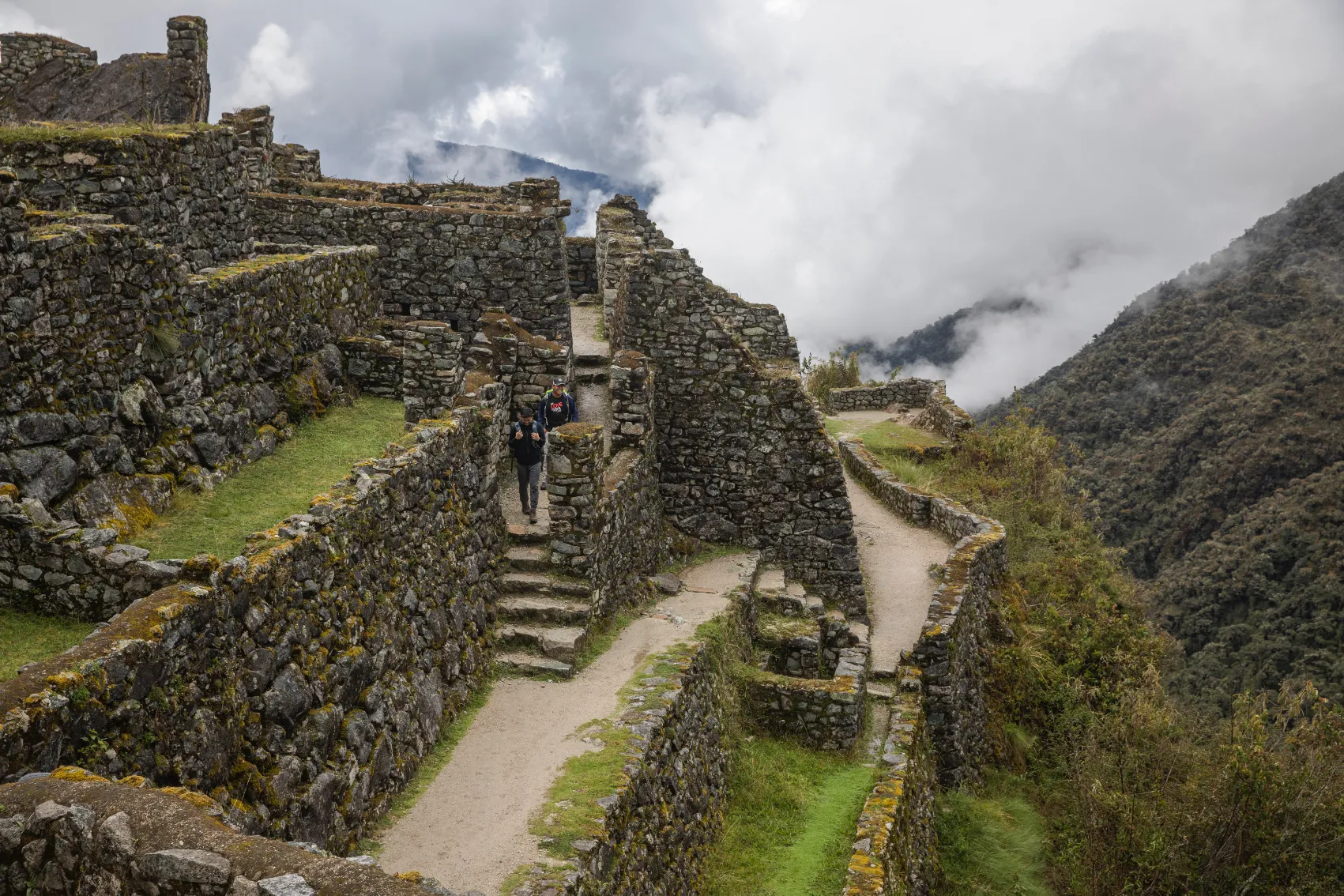
Machu Picchu stands as a testament to the ingenuity of the Inca civilization, believed to have been built in the mid-15th century under the reign of Emperor Pachacuti. Perched on a rugged mountain ridge at 2,430 meters (7,970 feet) above sea level, this “Lost City” remained hidden from the outside world for centuries until its rediscovery in 1911 by American explorer Hiram Bingham. What makes Machu Picchu truly remarkable is its harmonious integration with the surrounding landscape—stone structures that align with astronomical events, sophisticated water management systems, and terraces that showcase advanced agricultural techniques.
The site’s enduring mystique isn’t only due to its archaeological significance but also because of the spiritual energy it exudes. For generations, Machu Picchu has been a symbol of Inca ingenuity, resilience, and spiritual reverence. Today, it attracts travelers of all backgrounds yearning to experience this magical place firsthand. Hiking to Machu Picchu offers an immersive journey where history, culture, and nature intersect, allowing visitors to physically connect with its ancient stones while contemplating the cultural legacy of the Inca Empire.
Planning Your Trek: Permits and Reservations for Machu Picchu
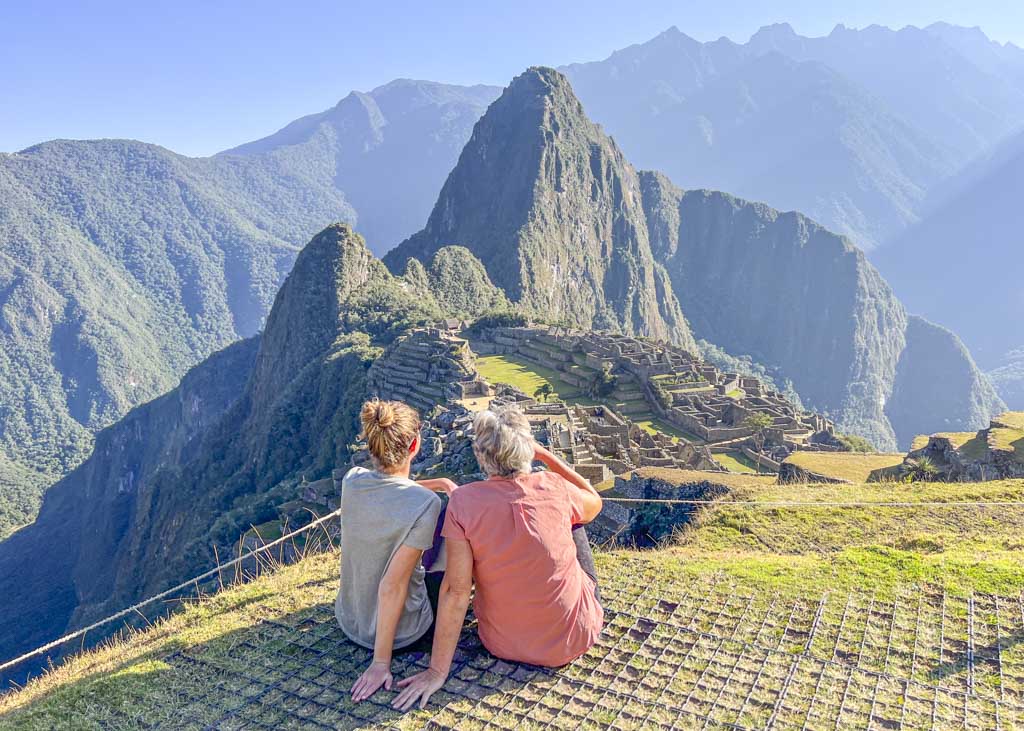
Proper planning is vital to ensure that your trek to Machu Picchu is smooth and enjoyable. One of the first steps involves securing the necessary permits for the classic Inca Trail or alternative routes, as these are limited and highly sought-after. Permits are issued on a strict quota basis to preserve the site and ecosystem, so booking well in advance—sometimes up to a year—is highly recommended. Tour operators often handle these reservations, alleviating much of the logistical stress, but travelers should verify their credibility and ensure the permits are secured before making any final plans.
Beyond permits, you’ll need to consider accommodations, transportation, and guided tours. When booking through authorized agencies, you not only guarantee your spot but also gain valuable insights from local guides trained in the region’s history and ecology. Additionally, check for updates on entry requirements, such as passport scans, health documentation, or COVID-19 protocols if applicable. Preparing well in advance ensures your expedition remains stress-free, and you can focus on the adventure ahead—walking in the footsteps of the ancient Incas and reaching the legendary city itself.
Choosing Your Route: Inca Trail vs. Alternative Hikes to Machu Picchu
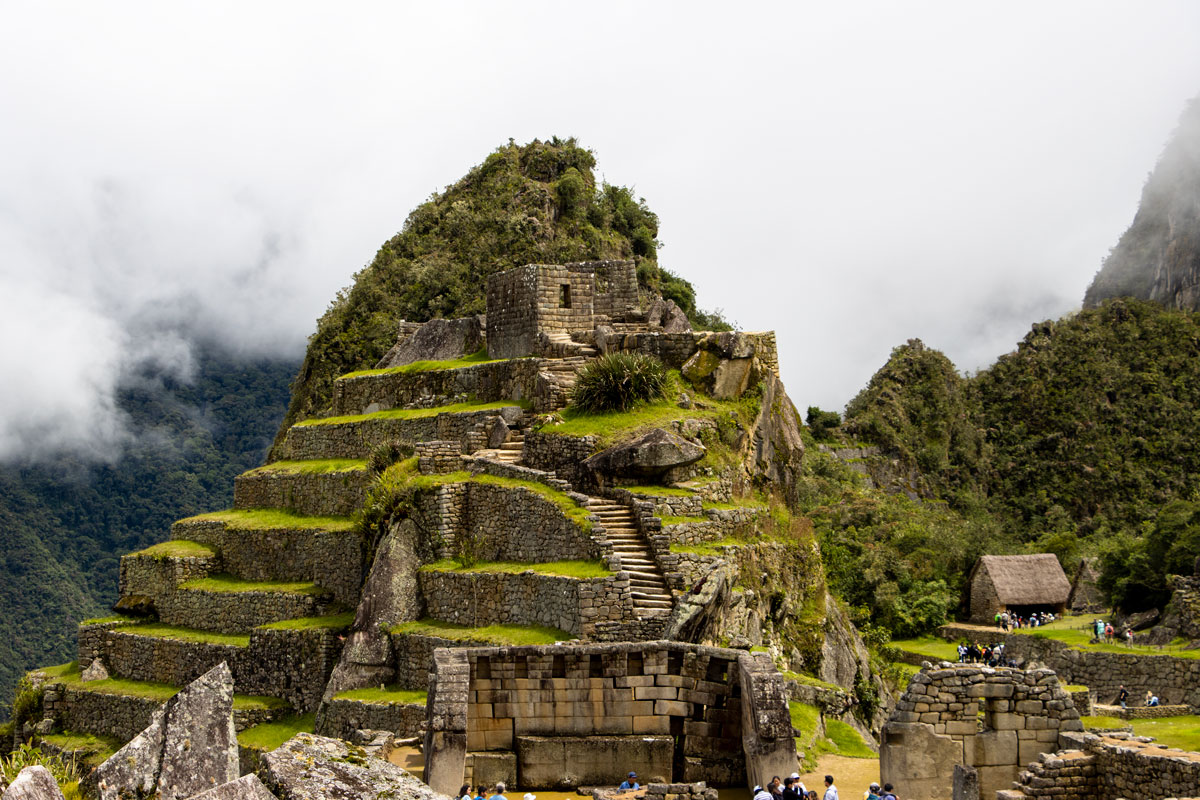
The most iconic route to Machu Picchu is the Inca Trail—a four-day trek that combines breathtaking scenery, archaeological sites, and a deep sense of accomplishment. Its well-preserved stone pathways and architectural marvels make it a favorite among hikers seeking to trace the footsteps of the Incas in a historically immersive experience. However, the Inca Trail is highly regulated, with restricted daily permits, which means early booking is absolutely essential. For those seeking alternatives, there are several other equally impressive routes—such as the Salkantay Trek, the Lares Trek, or the Inca Jungle Trek—that offer varied landscapes, levels of difficulty, and cultural encounters.
Choosing between the Inca Trail and its alternatives depends on your hiking experience, physical fitness, time constraints, and desire for cultural immersion. The Inca Trail’s historic significance and challenge make it a rewarding but demanding path—often considered the pinnacle of Peruvian trekking experiences. Alternatively, less crowded options like the Salkantay or Lares treks provide stunning vistas, authentic Inca villages, and a more flexible schedule. Each route ultimately leads to the same awe-inspiring arrival at Machu Picchu, but your choice reflects your personal adventure style and interests.
Packing Essentials: What to Bring for Your Machu Picchu Hiking Adventure
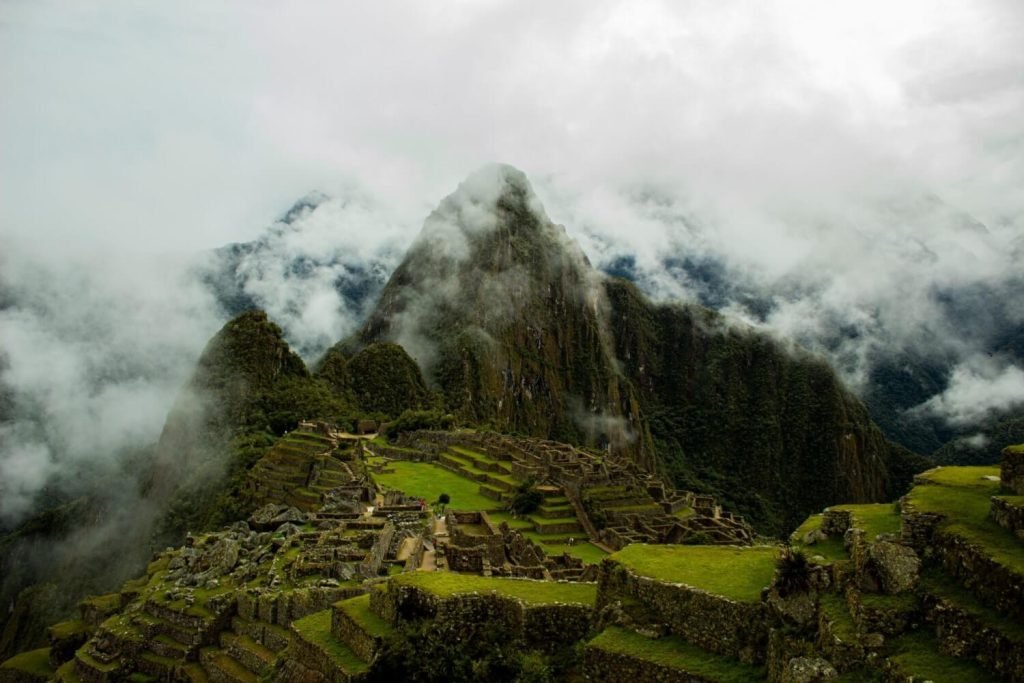
Packing appropriately is crucial to fully enjoy your hike and navigate the varying terrain and weather conditions. Essentials include lightweight, moisture-wicking clothing suitable for layering, as temperatures can fluctuate significantly—hot during the day and cold at night. A sturdy, comfortable pair of hiking boots with ankle support is indispensable for rugged trails, and don’t forget to wear moisture-waving socks to prevent blisters. A wide-brimmed hat, sunglasses, and sunscreen are also necessary to protect against strong sun exposure at higher altitudes.
Other technical gear such as a hydration system, trekking poles, a compact first-aid kit, high-energy snacks, and a headlamp will ensure safety and convenience throughout your trek. Additionally, a quality camera, power bank, and extra batteries allow you to capture the stunning scenery, while personal items like insect repellent and toiletries should be packed in biodegradable containers to minimize environmental impact. Remember, lightweight so you can move freely, but well-prepared so nothing essential is left behind—your packing choices significantly influence your trekking experience.
Acclimatization is Key: Preparing Your Body for the Altitude
Altitude sickness can pose a serious challenge during your journey, so gradual acclimatization is vital for health and performance. Spending a few days in Cusco or nearby towns at lower elevations before starting your trek can significantly reduce the risk of altitude-related issues. Hydration, proper nutrition, and avoiding alcohol and smoking during your acclimatization period are practical steps to help your body adjust. Listening to your body—resting when needed and recognizing symptoms of altitude sickness—is essential to prevent serious health complications.
During the trek, take regular breaks, breathe deeply, and maintain a steady pace to avoid overexertion. The body needs time to produce additional red blood cells to carry oxygen more efficiently, so patience and slow progression are key. Engaging in light aerobic activity and ascending gradually allows your system to adapt, making the climb less exhausting and more enjoyable. Preparing yourself mentally and physically for the high-altitude environment transforms a potentially daunting challenge into a manageable and rewarding part of your adventure.
Day-by-Day Itinerary: A Trekking Guide to Machu Picchu
Typically, the multisday trekking routes to Machu Picchu follow a carefully designed itinerary, balancing exertion, rest, and cultural immersion. On the first day, most routes begin with an early start—passing through diverse ecosystems, encountering local villages, and gradually ascending into the mountains. The second day often involves significant elevation gains, stunning views, and exploring archaeological sites, setting the tone for the awe-inspiring encounter ahead.
As the trek progresses, you’ll walk through cloud forests, cross high passes like Dead Woman’s Pass on the Inca Trail, and witness breathtaking vistas of peaks, waterfalls, and ancient ruins. Certainty, the final day is about rising early to beat the crowds and hiking the final stretch into the Machu Picchu sanctuary — arriving as dawn breaks upon the mysterious city in the mist. Each day’s journey fosters physical resilience and enhances the sense of connection to the landscape and history woven into every step.
Navigating the Terrain: Challenges and Rewards of Hiking to Machu Picchu
The terrain en route to Machu Picchu is as varied as it is formidable—covering steep ascents, rugged stone pathways, jungle trails, and high mountain passes—requiring strong physical endurance and mental resilience. Hindrances such as unpredictable weather, altitude effects, and technical trail sections can test even seasoned hikers, but they are also what make the trek profoundly rewarding. Overcoming these challenges leads to a sense of accomplishment compounded by the stunning vistas, ancient ruins, and the spiritual energy of the surroundings.
Venturing into such diverse terrains fosters a deeper appreciation for Inca engineering and their adaptation to mountain life—crafting terraces, aqueducts, and steps into the landscape with astonishing precision. These challenges encourage mindfulness and present opportunities for personal growth, patience, and reflection. The reward, of course, is reaching Machu Picchu itself—a symbol of endurance and discovery—whose timeless stones and panoramic views leave an indelible impression on all who walk their paths.
Exploring the Ruins: A Guide to Machu Picchu’s Key Sites
Once you arrive at Machu Picchu, the real exploration begins. The site is a complex of temples, terraces, plazas, and intricate stonework that reveals advanced Inca architecture and urban planning. Key sites include the Sun Gate (Inti Punku), which provides a stunning vantage point for the city’s panoramic views, and the Temple of the Sun, linked to celestial observations and religious ceremonies. Walking through the Main Plaza, you can marvel at structures like the Residential Areas, the Royal Quarters, and the Quarry, which showcase the ancient civilization’s craftsmanship.
Guided tours or self-guided explorations both offer remarkable insights into Inca history, religion, and social organization. Pay close attention to subtle stone carvings, irrigation channels, and alignments that reflect sophisticated astronomical knowledge. While the crumbling stones and weathered terraces evoke a sense of timelessness, understanding their purpose enhances appreciation of the ingenuity behind Machu Picchu’s design. Remember to explore beyond the main sites, venturing to less visited corners and viewpoints to experience the full majesty and mystery of this ancient city.
Sustainable Tourism: Respecting Machu Picchu and its Environment
Preserving the integrity of Machu Picchu and surrounding ecosystems is a shared responsibility for every visitor. As the site is sensitive to foot traffic and environmental impact, sustainable tourism practices should be at the forefront of your visit. Respect the rules set by UNESCO and local authorities—stay on designated paths, do not climb on ruins, and avoid littering or damaging the delicate landscape. Supporting local communities by purchasing authentic crafts and engaging with local guides promotes economic sustainability and cultural preservation.
Additionally, your trekking choices can influence conservation efforts—opt for licensed operators who follow eco-friendly practices, carry out waste responsibly, and minimize environmental footprints. Educate yourself on the cultural significance of Machu Picchu and act as an ambassador for responsible tourism. By respecting and protecting this UNESCO site and its surroundings, we ensure future generations can continue to marvel at its wonder and learn from its history, fostering a deeper appreciation for the cultural and natural heritage of Peru.
Beyond Machu Picchu: Extending Your Adventure in Peru
While reaching Machu Picchu is undoubtedly a highlight, Peru offers vast opportunities for extended exploration. Consider visiting Cusco—Peru’s historic capital and gateway to the Sacred Valley—rich with colonial architecture, vibrant markets, and Incan relics. The Amazon rainforest near Iquitos, colorful Lake Titicaca, and the dramatic landscapes of the Colca Canyon are just some of Peru’s diverse attractions awaiting discovery. With a rich cultural tapestry and stunning natural diversity, Peru allows travelers to craft a multi-layered adventure that stretches beyond the iconic ruins.
Furthermore, engaging with indigenous communities and participating in local traditions can deepen your understanding of Peruvian culture. Culinary experiences exploring regional dishes like ceviche, llama steaks, or traditional Pachamanca meals can round out your journey, offering flavorful insights into local life. Combining your trek to Machu Picchu with these varied adventures ensures a comprehensive experience—one rooted in exploration, learning, and respect for Peru’s incredible cultural and natural heritage.
Embarking on Machu Picchu: Hiking to Peru’s Legendary Lost City is more than just an adventure; it’s a transformative experience that combines physical challenge, historical discovery, and cultural immersion. From meticulous planning and route selection to navigating rugged terrains and exploring ancient ruins, every step of the journey enhances your connection to this iconic destination. By respecting environmental and cultural integrity, supporting sustainable tourism, and extending your exploration beyond the ruins, you contribute to the preservation of this remarkable site for future generations. Ultimately, reaching Machu Picchu on foot is a profound achievement that leaves travelers with lasting memories, inspiring a deeper appreciation for the ingenuity of the Inca civilization and the enduring magic of Peru.




Leave a Reply