

Patagonia: Exploring the Wild Beauty of Argentina and Chile. This phrase encapsulates one of the most extraordinary and awe-inspiring regions on Earth, a land where nature’s raw power and subtle serenity coexist in breathtaking harmony. Spanning the southern regions of Argentina and Chile, Patagonia offers an adventure for travelers, explorers, and nature lovers alike — a place to witness glaciers sheet their icy crowns, mountains piercing the sky, and vast steppes stretching into infinity. Its landscapes are not only unique but also serve as a vivid reminder of Earth’s primitive beauty and resilience, making Patagonia a must-visit destination for those seeking authentic wilderness experiences.
As you embark on your journey through Patagonia, you’ll realize that exploring this region is more than just sightseeing; it’s immersing yourself in an environment that has remained largely unspoiled and untouched by modern development. From the rugged terrains of the Andes to the remote forests and fjords, every corner of Patagonia tells a story—be it of ancient glaciers carving through rock or indigenous cultures preserving age-old traditions. This guide aims to unveil the captivating natural wonders, vibrant ecosystems, and cultural richness that make Patagonia a truly unparalleled destination for adventurers and contemplatives alike.
Patagonia: A Journey Through Untamed Landscapes
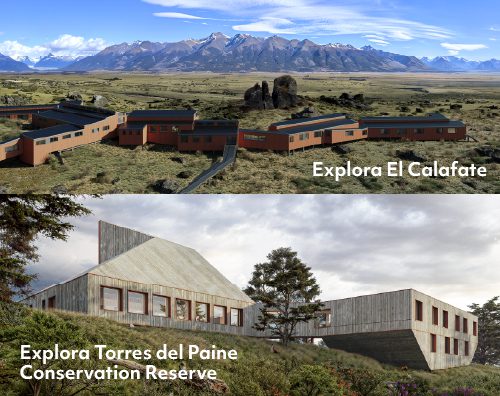
Patagonia is unequivocally a region defined by its wild, untamed landscapes. Unlike many tourist hotspots that cater to mass tourism, Patagonia remains a pristine wilderness, where the forces of nature shape dramatically scenic vistas with minimal human interference. Here, travelers walk through landscapes that seem to echo stories from millions of years ago—massive glaciers, towering mountains, and expansive steppe plains that stretch beyond the horizon. The journey through these landscapes is one of awe and discovery, revealing the Earth’s raw and unaltered beauty in its purest form.
Beyond its visual splendor, Patagonia offers a profound sense of remoteness and solitude. It’s a place where one can reflect amid towering giants like Mount Fitz Roy or lose themselves in the silence of a glacial lagoon. This sense of being at the edge of the world can profoundly alter one’s perspective — encouraging humility, wonder, and a renewed appreciation for the planet’s natural heritage. Venturing into Patagonia is… well, a journey into the wild heart of the Earth, where every vista is a victory, every gust of wind a whisper from nature itself.
Argentina and Chile’s Patagonia: Unveiling Natural Wonders

Patagonia straddles the southernmost parts of Argentina and Chile, each country offering its own distinct flavor of this expansive wilderness. In Argentina, the region is often associated with the legendary Perito Moreno Glacier, the stunning Los Glaciares National Park, and the rugged steppes of Tierra del Fuego. Meanwhile, Chile’s Patagonian areas are characterized by dramatic fjord landscapes, the snaking Carretera Austral, and the pristine Torres del Paine National Park. When combined, these territories create a sprawling mosaic of landscapes that are as diverse as they are spectacular.
Travelers exploring Patagonia quickly discover that Argentina and Chile complement each other beautifully, offering different experiences within the same overarching region. For instance, the Argentine side is famed for its sprawling glaciers, mountainous terrains, and vibrant gaucho culture, while the Chilean side adds layers of colorful fjords, lush forests, and a more alpine environment. Both nations are custodians of natural wonders that stir the soul: large glaciers calving icy sculptures into tranquil lakes, mountain ranges challenging the sky, and plains teeming with life. The seamless interplay between these geographies makes Patagonia a truly unique intersection of natural splendor and cultural richness.
Exploring the Diverse Ecosystems of Patagonia
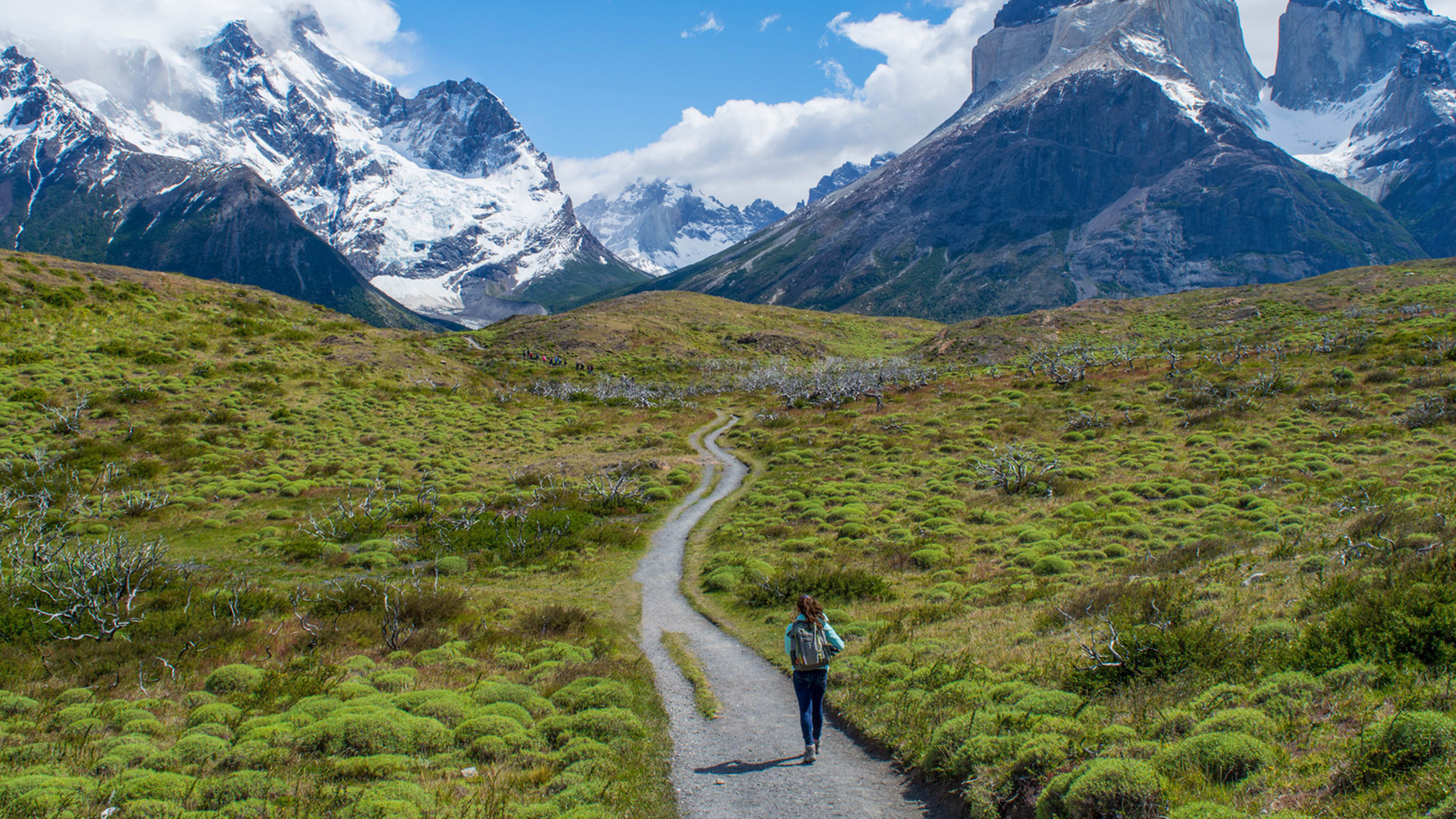
Patagonia’s ecosystems are astonishingly diverse, ranging from icy tundras and glacial landscapes to lush temperate forests and expansive grasslands. This ecological diversity is driven by the region’s vast latitudinal spread, climatic variations, and geological history. Visitors have the chance to encounter an array of flora and fauna—from peculiar Andean condors soaring high above mountain peaks to the elusive pumas stalking the forest edges. The delicate balance of this environment depends on responsible stewardship, emphasizing the importance of conservation efforts in such a fragile ecosystem.
One of Patagonia’s most captivating ecosystems is its glaciers—massive, ancient ice formations that are both mesmerizing and vital indicators of climate change. The Perito Moreno Glacier, in particular, is one of the few advancing glaciers still, offering tourists a front-row seat to icy spectacles that echo the profound power of nature. Meanwhile, the forested areas of Chile’s Parque Nacional Torres del Paine offer habitat for native species like guanacos, foxes, and the majestic condor—each playing a vital role in maintaining ecological equilibrium. Exploring these ecosystems not only heightens appreciation for nature’s resilience but also underscores the importance of protecting them for future generations.
Adventure Awaits: Activities and Experiences in Patagonia

Patagonia is synonymous with adventure; it is a playground for adrenaline junkies, trekkers, climbers, kayakers, and explorers. Whether you’re scaling the legendary peaks of Fitz Roy, navigating hidden fjords by kayak, or trekking the iconic trails of Torres del Paine, this region continually pushes the boundaries of outdoor pursuit. What makes Patagonia truly special is its vastness and ruggedness, which challenge travelers to step outside their comfort zones and engage deeply with nature.
Beyond adrenaline pursuits, Patagonia also offers soulful activities such as horseback riding across pampas, learning about indigenous cultures, or simply stargazing in some of the clearest night skies on Earth. For many adventurers, the highlight is the multi-day hikes through the breathtaking landscapes—such as the W Trek in Torres del Paine or the overland journeys through Argentine Patagonia. These experiences forge a deep connection with the environment, fostering a sense of achievement and reverence for Earth’s timeless landscapes. Patagonia’s activities are a testament to its untamed spirit, inviting visitors to create stories that will linger for a lifetime.
Glaciers, Mountains, and Fjords: The Geographic Marvels of Patagonia
One cannot speak of Patagonia without marveling at its dramatic geography—an awe-inspiring mosaic of glaciers, mountains, and fjords that seem otherworldly. The immense glaciers, like the Perito Moreno, span kilometers, their icy captials constantly calving chunks into the tranquil lakes below, a spectacle that embodies nature’s relentless energy. These ice giants serve as both natural wonders and environmental barometers, reminding us of our planet’s climate health.
Complementing the glaciers are Patagonia’s jagged mountain ranges, especially the Andes, which form a striking backdrop to the entire region. Peaks like Cerro Torre and Mount Fitz Roy challenge climbers and poets alike, their iconic spires piercing clouds and inspiring legends. Meanwhile, the fjords and sound systems of Chile—such as the Patagonian fjords—add an extra layer of rugged beauty, their serpentine waterways lined with waterfalls and wildlife. Together, these geographic marvels evoke a sense of wonderment, drawing travelers into a landscape where every turn reveals a new postcard-perfect view—an eternal testament to Earth’s grandeur.
Patagonia’s Wildlife: A Sanctuary for Unique Species
Patagonia is a haven for a distinctive array of wildlife, much of which is adapted to live in some of the most extreme environments on Earth. From the soaring condors and regal flight of the Andean condor to the graceful movements of the guanacos, the region’s fauna is as resilient as its terrain. Particular attention is given to the conservation of species such as the endangered huemul deer and the elusive pumas, which symbolize Patagonia’s remaining wilderness and ecological importance.
Birdwatchers and nature enthusiasts will find Patagonia particularly rewarding. The skies are alive with the spectacle of condors circling high above the mountains, while seals lounge on rocky shores, and whales breach in the fjords during migration seasons. This vibrant wildlife underscores the critical need for sustainable tourism practices, ensuring that Patagonia remains a sanctuary for these species. Witnessing these animals in their natural habitat fosters an understanding of nature’s delicate balance and highlights Patagonia’s role as a global conservation hotspot.
Planning Your Patagonia Trip: Essential Travel Tips
Embarking on a journey to Patagonia requires thoughtful planning because of its remote, rugged nature. First, the best times to visit are during the Southern Hemisphere’s summer months—December through February—when weather conditions are relatively milder. Pack layers, waterproof gear, sturdy footwear, and essentials for outdoor activities, as weather can change rapidly. Additionally, arranging transportation, accommodations, and guided tours well in advance is advisable—especially during peak season—to avoid disappointment.
Travelers must also be prepared for the logistical challenges of traversing such a vast region. Renting a vehicle might offer flexibility, but guided tours and local operators can provide invaluable insights and safety. Currency exchange, local SIM cards, and understanding entry requirements for national parks are essential aspects of trip preparation. Ultimately, patience and flexibility are vital—Patagonia rewards those willing to embrace its wild, unpredictable nature with a truly transformative experience that lingers long after leaving its frontier lands.
The Cultural Heritage of Patagonia: Indigenous History and Modern Society
While Patagonia’s expansive landscapes are its main draw, the region also boasts a rich cultural heritage rooted in indigenous traditions. The Mapuche, Tehuelche, and Yámana peoples are among the original inhabitants, each with a unique heritage characterized by survival skills, storytelling, and a deep spiritual connection to land and water. Their history is woven into Patagonia’s cultural fabric, inspiring local art, music, and ongoing efforts to preserve indigenous traditions.
Modern society in Patagonia is a blend of indigenous resilience, European influences, and frontier spirit. Small towns and ranches reflect the gaucho culture, emphasizing horsemanship, cattle herding, and a rustic way of life. Artistic expressions—such as wood carvings, textiles, and local cuisine—serve as living testimonies of varied influences that have shaped Patagonia over centuries. Engaging with the cultural heritage enriches the travel experience, transforming it from mere sightseeing to a meaningful encounter with history and community that continues to thrive amidst the region’s wild beauty.
Sustainable Tourism in Patagonia: Protecting a Pristine Environment
Patagonia’s fragile ecosystems face threats from increasing tourism, climate change, and local development. Promoting sustainable tourism is thus critical to preserving its landscapes and wildlife. Responsible practices include respecting local wildlife, minimizing waste, supporting eco-friendly accommodations, and choosing operators committed to conservation. Visitors play a vital role in ensuring Patagonia remains pristine by adhering to leave-no-trace principles and engaging with community-based tourism initiatives.
Efforts in conservation extend beyond individual actions. Initiatives like Patagonia National Park and various local NGOs aim to restore habitats, monitor climate impacts, and involve indigenous communities in preserving their ancestral lands. Supporting these efforts not only safeguards this remarkable environment but also fosters authentic cultural exchanges and sustainable economic development. As travelers, we have the duty to champion eco-conscious travel that upholds Patagonia’s natural integrity for generations to come.
Beyond the Tourist Trail: Discovering Hidden Gems in Patagonia
While iconic landmarks like Torres del Paine and Perito Moreno are must-see sights, Patagonia harbors numerous hidden gems waiting to be explored by those willing to venture off the beaten path. Small villages, remote lakes, and untouched forests offer authentic experiences away from crowds. Places such as the Carretera Austral in Chile or the lesser-known side valleys of Argentine Patagonia invite travelers to immerse themselves in the region’s quieter, untouched beauty.
Exploring beyond the popular routes often unveils deeper layers of Patagonia’s soul—local legends, secret waterfalls, and unspoiled wilderness that is largely untouched by tourism. These hidden gems foster a personal connection to the land, encouraging curious explorers to develop their own stories of adventure. Whether it’s kayaking in pristine lakes or hiking through seldom-visited valleys, discovering Patagonia’s less-trafficked corners reveals that natural beauty in this corner of the world is both vast and intimate—an endless exploration for the intrepid traveler.
Conclusion
Patagonia: Exploring the Wild Beauty of Argentina and Chile encapsulates an extraordinary landscape where nature’s formidable forces craft breathtaking vistas—from glaciers and mountains to fjords and steppe plains—each offering a unique chapter in Earth’s history. The region’s rich biodiversity, indigenous cultural legacy, and countless adventure opportunities make it a destination that appeals to wanderers, explorers, and those seeking solitude in the wild. Planning a trip requires mindful preparation to embrace its remoteness and environmental sensitivity while supporting sustainable tourism practices that ensure its preservation. Venturing beyond the usual tourist paths uncovers hidden treasures that deepen one’s connection to this pristine wilderness, fostering a sense of reverence and responsibility. Ultimately, Patagonia is more than a place; it is an experience—a raw, unfiltered encounter with Earth’s untouched spirit and a reminder of nature’s enduring resilience.





Leave a Reply