

Nestled within the arid lands of southern Jordan, Petra stands as a testament to human ingenuity and ancient craftsmanship. Known collectively as Petra, Jordan: Discover the Rose-Red City of Stone, this archaeological marvel captivates visitors from around the world with its breathtaking facades and intriguing history. Its nickname stems from the distinctive hue of the sandstone cliffs that surround it, creating a city that appears to glow different shades of pink, crimson, and rose at various times of the day. Journeying through Petra isn’t just a trip into antiquity — it’s an exploration into the spirit of the ancient Nabataean civilization and an encounter with one of the world’s most spectacular archaeological sites.
Understanding Petra‘s allure involves delving into over two millennia of history, marveling at its astonishing architecture, and experiencing its mystical ambiance firsthand. From the moment you step through the narrow Siq gorge to stand before the grand Treasury, every moment feels like walking through a live history book carved into stone. As you unravel Petra, Jordan: Discover the Rose-Red City of Stone, it becomes clear why this site is considered one of the New Seven Wonders of the World and an unparalleled jewel in Jordan’s rich cultural crown.
Unveiling Petra: A Journey to Jordan’s Rose-Red City

The journey to Petra begins with more than just logistics; it’s a voyage through layers of cultural and natural history. The city’s entrance, the Siq—a nearly one-kilometer-long canyon—serves as a natural gateway that heightens anticipation as it winds its way between towering walls of rose-colored sandstone. Walking through the Siq feels almost like stepping into a portal blending the natural with the man-made, with centuries of history embedded within the stones. The transition from daylight into the shadowed corridor invites reflection, setting the tone for an experience rich in discovery and awe.
As you emerge from the Siq, the first view of the Treasury (Al-Khazneh) is nothing short of breathtaking. It’s a moment of revelation that encapsulates Petra, Jordan: Discover the Rose-Red City of Stone — a place where nature’s artistry and human craftsmanship entwine seamlessly. Visiting Petra is akin to walking into an open-air museum, with every corner revealing new surprises—from ancient tombs and temples to remnants of Roman influence. This journey is not just about sightseeing, but a profound encounter with a civilization that thrived amidst challenges and left behind a legacy etched in rock.
The History and Significance of Petra: A Nabataean Marvel

Petra‘s origins trace back over 2,000 years, marked by its establishment by the Nabataean people, an ingenious Arab tribe known for their extensive trade networks and sophisticated engineering. The Nabataeans carved their city directly into the rose-hued cliffs, transforming its natural landscape into a thriving hub for commerce, culture, and religious practices. During its zenith, Petra was a crossroads connecting trade routes between Arabia, Egypt, and the Mediterranean, making it a vital commercial center.
The decline of Petra began centuries ago, affected by shifting trade routes and natural disasters, yet its ruins have endured as a monument to resilience and cultural continuity. As a UNESCO World Heritage Site, Petra symbolizes the ingenuity of the Nabataeans, who mastered water management and architectural techniques to survive in the harsh desert environment. Exploring its story inspires a deep appreciation for ancient peoples’ adaptability and innovative spirit, making Petra, Jordan: Discover the Rose-Red City of Stone an essential chapter in world history.
Architectural Wonders of Petra: Carved in Stone for Eternity

One of the most compelling aspects of Petra is its architecture, uniquely carved directly into rock faces, resulting in structures that have withstood the test of time. The city’s most iconic monument, the Treasury, is an elaborate façade featuring intricate carvings and columns, believed to be a mausoleum or temple. Many other structures, including tombs, temples, and theaters, display a blend of Nabataean creativity and Hellenistic influences, reflecting a vibrant cultural exchange.
The grandeur of Petra‘s architecture extends beyond its facades; the techniques used by Nabataean artisans demonstrate remarkable skill. Water channels and aqueducts ingeniously channel rainwater across arid mountains, showcasing their advanced engineering capabilities. Exploring these structures allows visitors to witness how artistry, science, and faith coalesced into durable monuments that continue to inspire awe centuries later. This extraordinary craftsmanship underscores why Petra is a timeless masterpiece carved in stone for eternity, inviting admiration and scholarly exploration alike.
Exploring the Treasury (Al-Khazneh): Petra’s Iconic Landmark
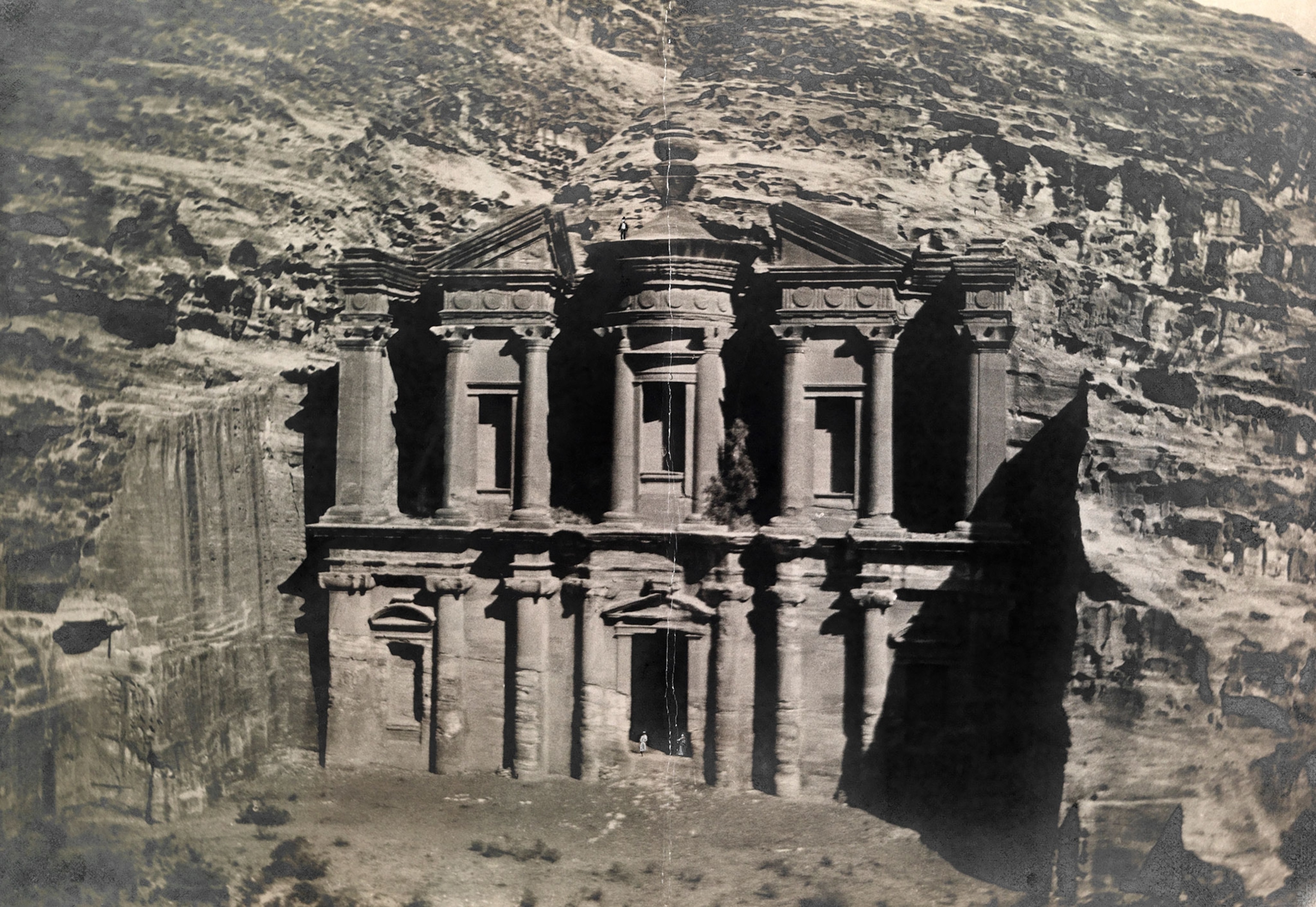
Standing as the centerpiece of Petra, the Treasury (Al-Khazneh) exemplifies the city’s architectural mastery and mystique. This grand façade, measuring around 40 meters high, features intricate carvings, Corinthian columns, and a central urn atop the upper balcony. Its imposing presence often has visitors pondering its original purpose—was it a treasury, a temple, or a royal tomb? Despite centuries of speculation, its true purpose remains one of Petra‘s enduring mysteries, fueling its allure.
Photographers and travelers alike flock to Al-Khazneh for unforgettable images, especially during dawn and dusk when the rose-colored stone glows under changing light. The Treasury’s grandeur is not merely visual but symbolic of Petra‘s spiritual energy. As you stand beneath this majestic monument, it’s impossible not to feel a sense of reverence for the Nabataeans who carved such an elaborate structure, embodying their craftsmanship, faith, and ambition. Visiting the Treasury is both an aesthetic delight and a journey into one of the world’s most iconic archaeological treasures.
Beyond the Treasury: Uncovering Petra’s Hidden Gems and Secret Trails
While the Treasury often captures the spotlight, Petra offers myriad lesser-known wonders waiting to be discovered. Hidden tombs, ancient dwellings, and secluded caves provide insight into daily life and spiritual practices of the Nabataean civilization. Wanderers who venture beyond the main sites may find themselves amidst untouched ruins, silent witness to the city’s long-lost stories. Exploring secret trails that wind through the terrain reveals quieter moments of reflection and awe.
Venturing into these lesser-trodden paths requires curiosity and a sense of adventure. Some trails lead to natural viewpoints overlooking the city, while others meander towards secluded rock-cut chambers. These hidden gems often possess an air of mystery, as their exact purpose or history remains partially obscured by time. Navigating Petra‘s lesser-known corners expands the visitor experience from iconic sightseeing to intimate encounters with history and solitude, enriching the overall understanding of this ancient marvel.
Hiking and Trekking in Petra: Adventuring Through the Ancient City
For avid hikers and explorers, Petra offers a range of trails that highlight its rugged landscape and archaeological richness. Trekking through the Siq provides an immersive experience, where the narrow gorge on either side of the path transports visitors into the heart of Petra‘s sacred space. Beyond the Siq, trails lead up to scenic viewpoints such as the Monastery (Ad Deir), which offers panoramic vistas of the rose-red city and surrounding mountains.
More challenging routes take visitors further afield into the desert, where the landscape transforms into a dramatic canvas of mountains, canyons, and archaeological sites. These treks demand physical endurance and careful planning but reward adventurers with spectacular scenery and a profound connection to the ancient world. Walking through Petra‘s terrain is akin to retracing footsteps of the Nabataean travelers, allowing visitors to embrace the landscape’s raw beauty and uncover new perspectives on Petra, Jordan: Discover the Rose-Red City of Stone.
Petra By Night: A Magical Experience Under the Stars
Experiencing Petra by night transforms the city into a mystical wonderland. On select evenings, the Treasury and surrounding monuments are illuminated solely by hundreds of small candles, creating an ambiance that echoes ancient times. Walking through the Siq under starlight, with the flickering glow guiding your way, evokes a sense of stepping into history and legend. The quiet and intimacy of Petra by night make it one of the most enchanting ways to connect with the site’s spiritual aura.
Aside from the visual spectacle, Petra by night often includes live performances of traditional Jordanian music and storytelling, enriching the experience with cultural depth. The soft glow of candles, combined with the cool desert air and the silent grandeur of the illuminated tombs, invites contemplation and reverence. This ephemeral event leaves visitors with a profound appreciation for Petra‘s enduring enchantment, blending natural beauty with cultural tradition in a uniquely captivating way.
Experiencing Jordanian Culture in Petra: Hospitality and Traditions
A visit to Petra isn’t complete without immersing oneself in Jordanian hospitality and traditional customs. Locals often greet visitors with warmth and genuine friendliness, reflecting the nation’s deep-rooted cultural values of generosity and welcoming. Many Bedouin communities inhabit the surrounding desert, offering authentic experiences such as traditional music, dance, and local cuisine, which deepen the connection to Jordan’s rich cultural tapestry.
Participating in local traditions, whether enjoying a cup of fragrant tea or learning about Bedouin craftsmanship, fosters a meaningful interaction beyond sightseeing. Petra serves as a cultural crossroads where ancient history and vibrant contemporary customs intertwine. Engaging with local communities offers insight into the ongoing way of life in this region and underscores Petra, Jordan: Discover the Rose-Red City of Stone as not just an archaeological site, but a living heritage that continues to inspire and nurture its people and visitors alike.
Planning Your Visit to Petra: Essential Tips and Practical Information
To make the most of your visit to Petra, careful planning is essential. Purchasing tickets in advance, considering the time of year—preferably spring or fall for milder weather—and arriving early can significantly enhance your experience. Comfortable walking shoes, sun protection, water, and a camera are must-haves, as much of Petra involves extensive walking over uneven terrain and exposure to the desert climate.
Additionally, knowledgeable guides can enrich your understanding of Petra‘s history, architecture, and cultural context, often providing insights that aren’t readily available in guidebooks. Arranging accommodations beforehand and understanding transportation options from nearby cities such as Aqaba or Wadi Musa streamline the journey. With thoughtful preparation, visitors can navigate Petra’s vast expanse with confidence, ensuring a memorable and meaningful encounter with this UNESCO World Heritage site.
Preserving Petra: Conservation Efforts for Future Generations
Petra‘s preservation requires ongoing global and local efforts to protect its delicate sandstone structures from elements like wind, rain, and erosion, as well as the impact of mass tourism. International organizations, Jordanian authorities, and local communities collaborate to establish sustainable tourism practices that balance visitation with conservation. Initiatives include restricting access to sensitive areas, promoting responsible tourism, and employing advanced techniques for structural stabilization and restoration.
Public awareness and education are also vital in safeguarding Petra for future generations. Visitors are encouraged to respect the site’s fragile environment by refraining from touching or removing artifacts and adhering to designated pathways. Preserving this geological and archaeological masterpiece ensures that Petra, Jordan: Discover the Rose-Red City of Stone remains a source of inspiration, study, and wonder for centuries to come. Active conservation efforts remind us that our responsibility extends beyond mere appreciation—they encompass stewardship and protection for the marvels of the past.
Conclusion
In Petra, Jordan: Discover the Rose-Red City of Stone, travelers embark on a captivating journey through history, architecture, and natural beauty that stands as a testament to human resilience and artistic mastery. Its breathtaking façades, hidden corners, and storied past weave together a tapestry that continues to enthrall visitors from around the world, inspiring awe and deep reflection. Whether exploring the iconic Treasury, trekking through rugged trails, or experiencing cultural traditions, each moment in Petra offers a unique window into a civilization that carved its legacy into stone. Preserved through ongoing conservation efforts, Petra remains a timeless treasure — a captivating reminder of our shared human heritage that beckons future explorers to uncover its mysteries anew.









Leave a Reply